Senior Living Design for the Next Generation · Notable Trends

Design Strategies for the New Generation of Senior Living
Chapter III: Notable Trends
Does culture influence design or does design influence culture?
Throughout this four-part blog series, we’ve explored how generations have shaped the evolution of senior living. In Part III, we shift our focus to Generation X, examining the cultural and design influences they are actively bringing to the industry, and exploring how those preferences may redefine the future of senior living.
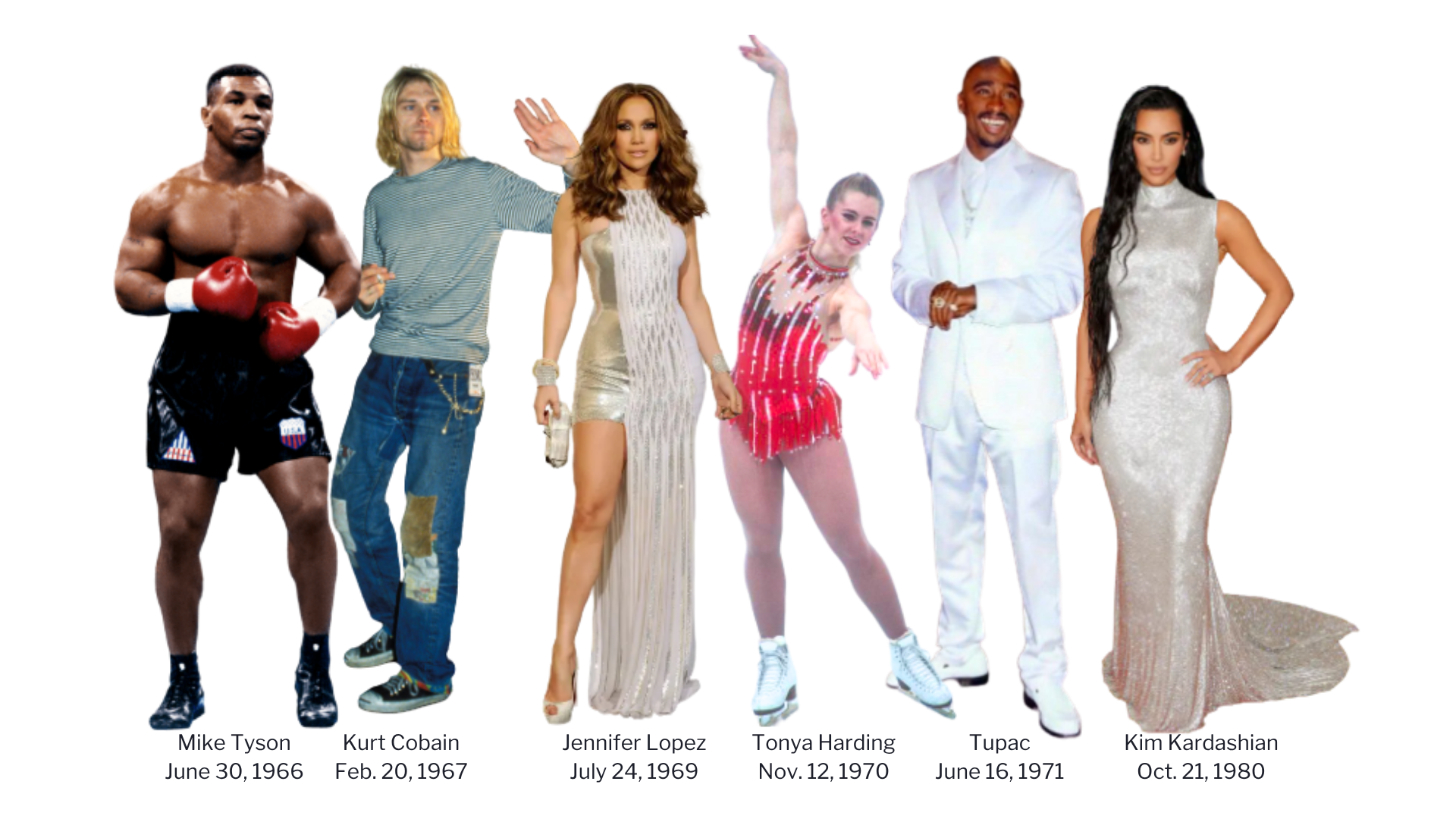
Understanding Generational Mindsets: Generation X 1965 - 1980
Generation X, currently aged approximately 44–59, grew up alongside the rise of personal computers and ATMs. Often referred to as the “MTV generation,” they are known for their independence and strong emphasis on work-life balance, and they have produced more self-made billionaires than any other generation. When it comes to housing preferences, Gen Xers are more likely than other cohorts to be renters.
Impactful Healthcare Regulations of the Era
Members of Generation X came of age during a period of significant regulatory and market transformation that helped shape modern senior living.
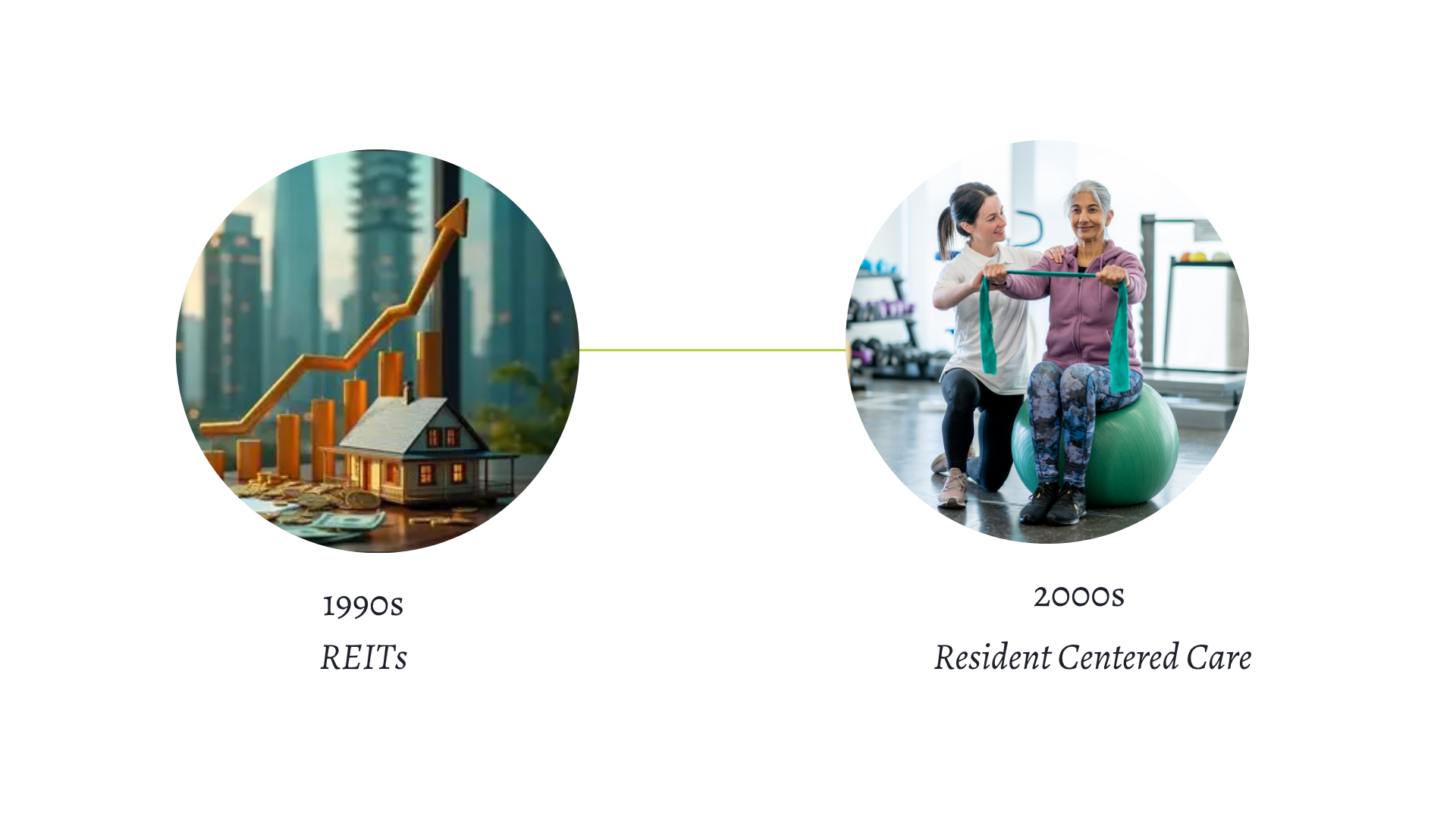
Throughout the 1990s, the rise of Real Estate Investment Trusts (REITs) created new incentives for for-profit developers and operators to enter the senior living market, with a growing focus on Independent Living, Assisted Living, and Memory Care. These leaders weren’t just building facilities—they were cultivating communities centered on connection, dignity, and quality of life.
This philosophy continued into the early 2000s, as communities began welcoming members of the Silent Generation and older Baby Boomers. Senior living environments steadily moved away from clinical, institutional models, instead embracing autonomy, wellness, and lifestyle-driven design.
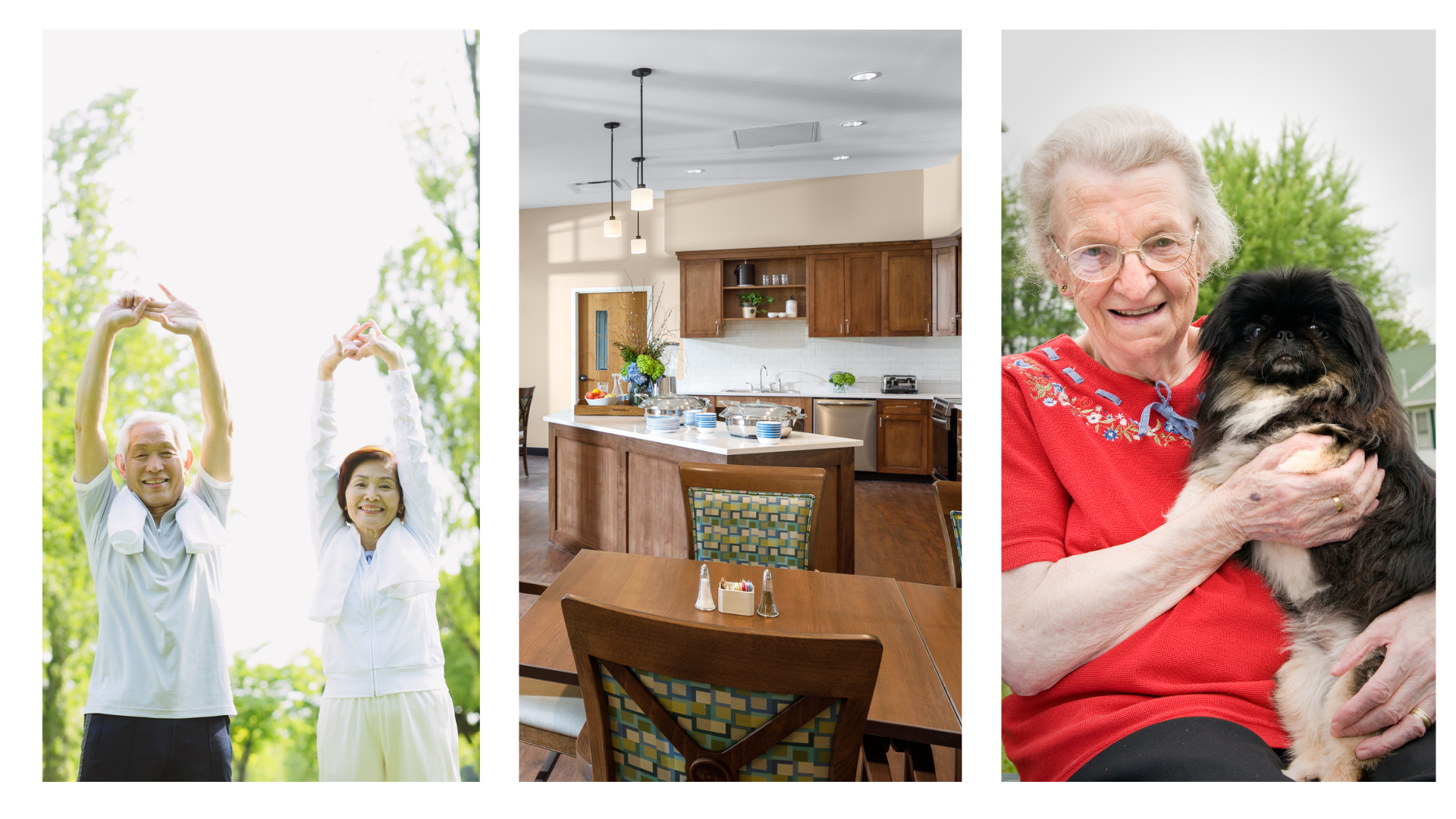
Today, senior living reflects a fundamental shift—from structured, schedule-driven environments to experiences rooted in independence and personal choice:
Autonomy over routine – flexible daily schedules shaped by residents’ preferences
Open dining concepts – accessible, all-day dining in place of fixed meal times
Choice-driven engagement – personalized activities aligned with individual interests
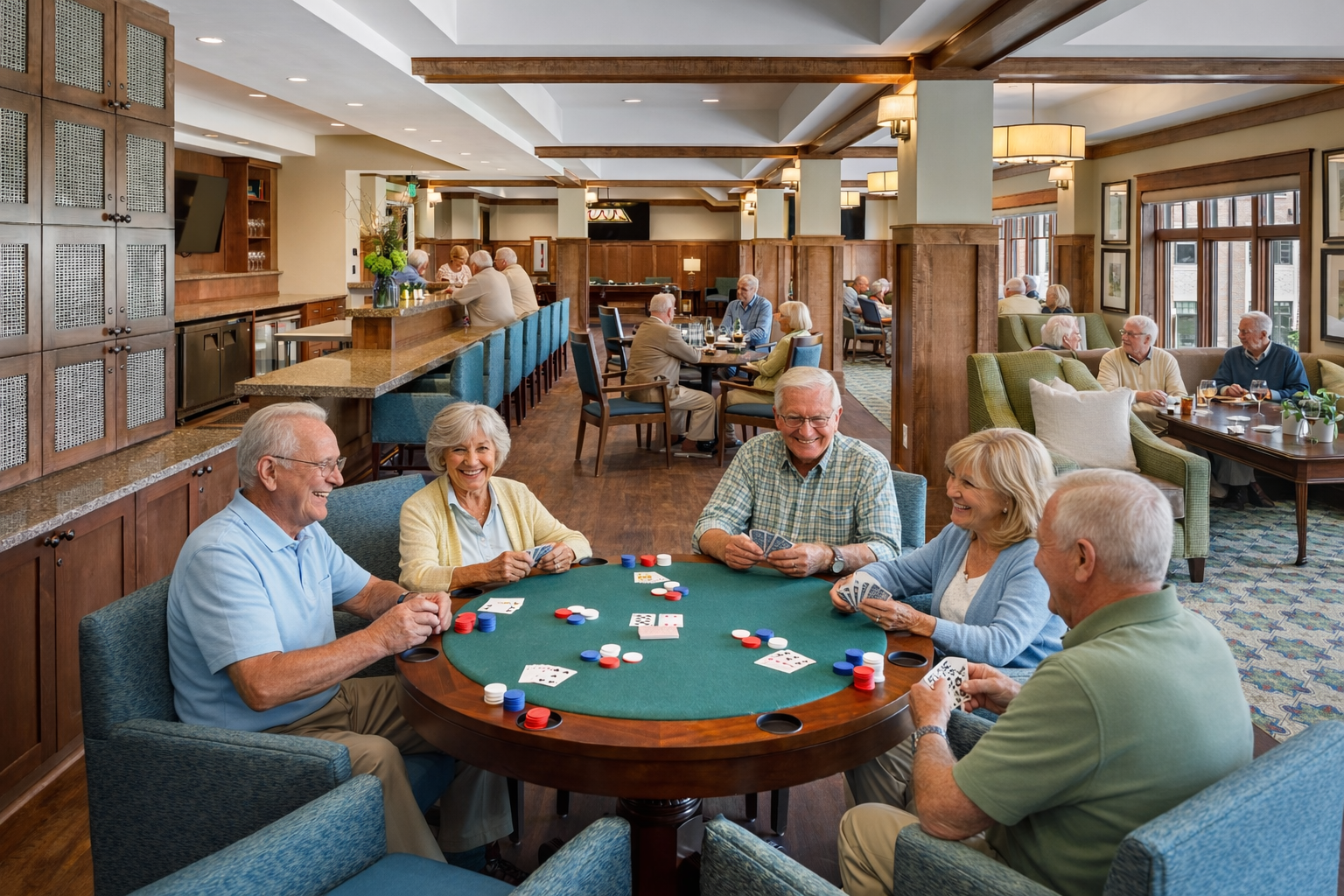
Social hospitality spaces – bars, bistros, and shared gathering areas designed for connection
Coffee in the morning, cocktails in the afternoon
Spaces that foster organic, everyday interaction
Pet-friendly living – welcoming companions, including emotional support animals
The overarching shift:
Residents are no longer being “placed” into care—they are bringing their lives, identities, and relationships with them into the next chapter.
Observing Market Trends: Autonomy, Convenience, and Familiarity
Since the early 2000s, industries across the board have shifted their models to prioritize user autonomy while still delivering convenience and structure.

Consider transportation. Not long ago, scheduling a ride meant calling ahead or, in larger cities, stepping outside in any weather to hail a cab. Today, ridesharing platforms allow users to request a ride, track its arrival, and complete payment seamlessly from their smartphones. Notably, many of these companies don’t even own the vehicles that power their business models, yet they’ve redefined the user experience.
A similar transformation has taken place in entertainment. Where consumers once relied on physical rentals from stores like Blockbuster, streaming services now offer instant, on-demand access to media from virtually any device.
This evolution extends into hospitality as well. Traditional hotel stays are increasingly complemented, and sometimes replace by short-term rental platforms like Airbnb and VRBO, offering more personalized, flexible experiences in residential settings.
So, what does this mean for senior living?
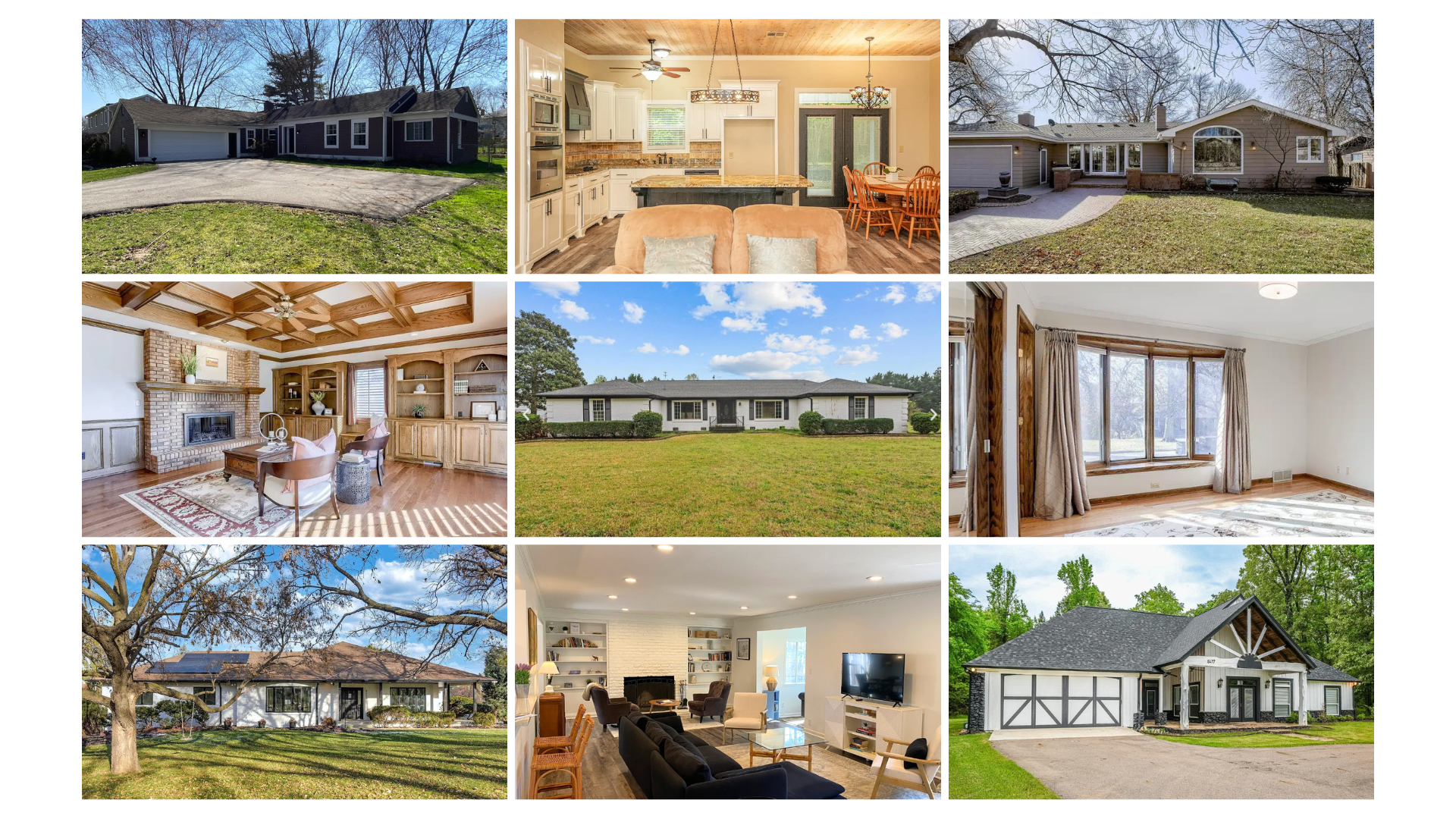
As organizations continue to design around autonomy and convenience, a critical question emerges: will future seniors expect to age within environments that feel more like home and less like traditional campuses?
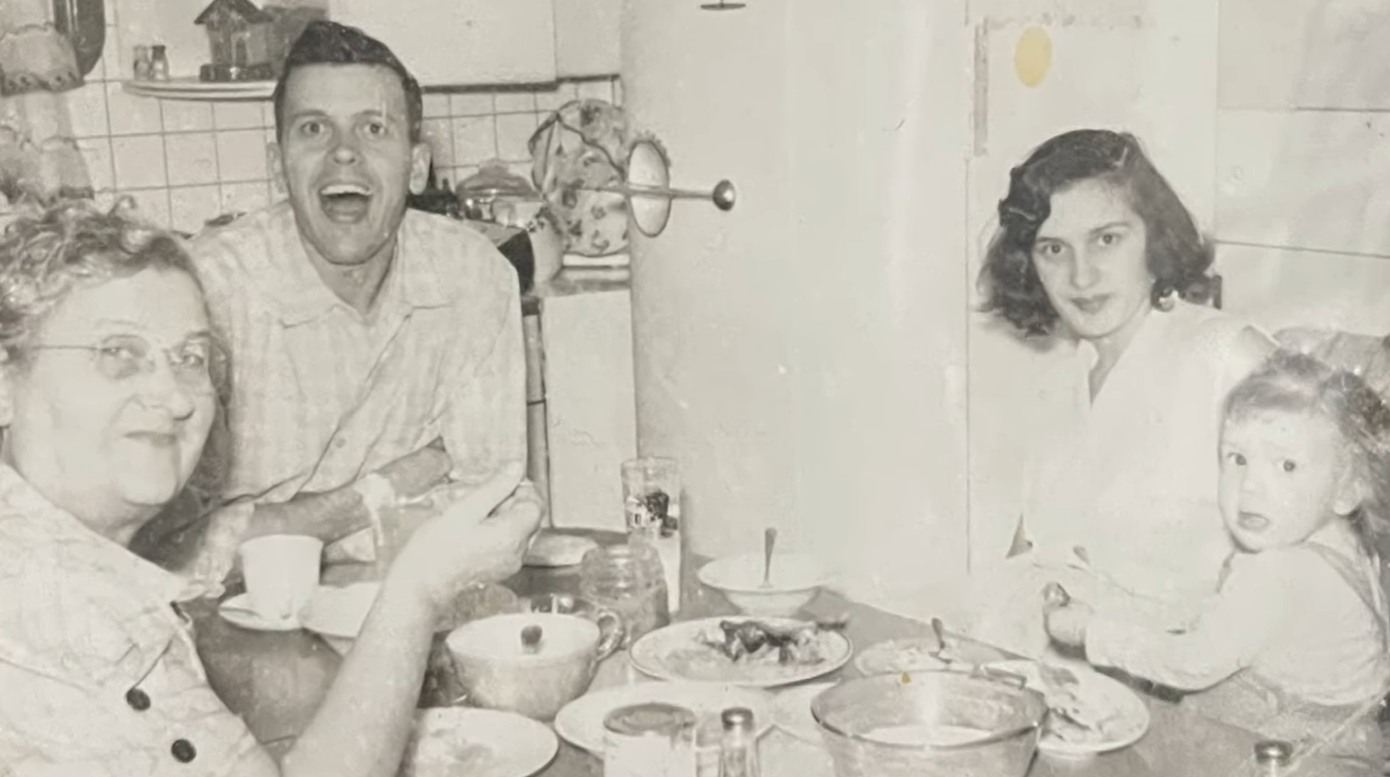
Emerging models suggest this shift is already underway. Nebraska-based Legato Living, for example, is reimagining memory care by acquiring single-family ranch homes and converting them into intimate, residential care environments. Rooted in the belief that smaller-scale, home-like settings better support wellness, comfort, and autonomy, this approach allows residents to maintain a lifestyle that closely mirrors what they’ve always known.
Within these homes, care is personalized, amenities are shared, and the environment feels familiar, offering a meaningful alternative to larger, institutional settings.
As models like this continue to gain traction, the question is no longer if senior living will evolve, but how it will be redefined.
Established in 1981, Batson Associates is an architecture and interior design firm focused on Institutional project types that deliver environments for healing, wellness, education, and aging. The Greenville, SC based firm works with clients throughout the Southeast. Stay connected with Batson Associates for more associate highlights, project updates, and industry insights by following us on LinkedIn, Facebook, and Instagram. For more information about our work or to discuss how we can help with your next project, please contact us at Batson Associates. Let's build the future together.