Senior Living Design for the Next Generation · Setting the Foundation
Design Strategies for the New Generation of Senior Living
Chapter I: Setting the Foundation
Does culture influence design or does design influence culture?
Throughout this four-part blog series, we will be exploring how generations have inspired and impacted the growth and development of senior living communities. Grounded in research, join us in this exploration of eras, beginning with the Silent Generation, and their impact on improving longevity, quality of life, and embracing our golden years.
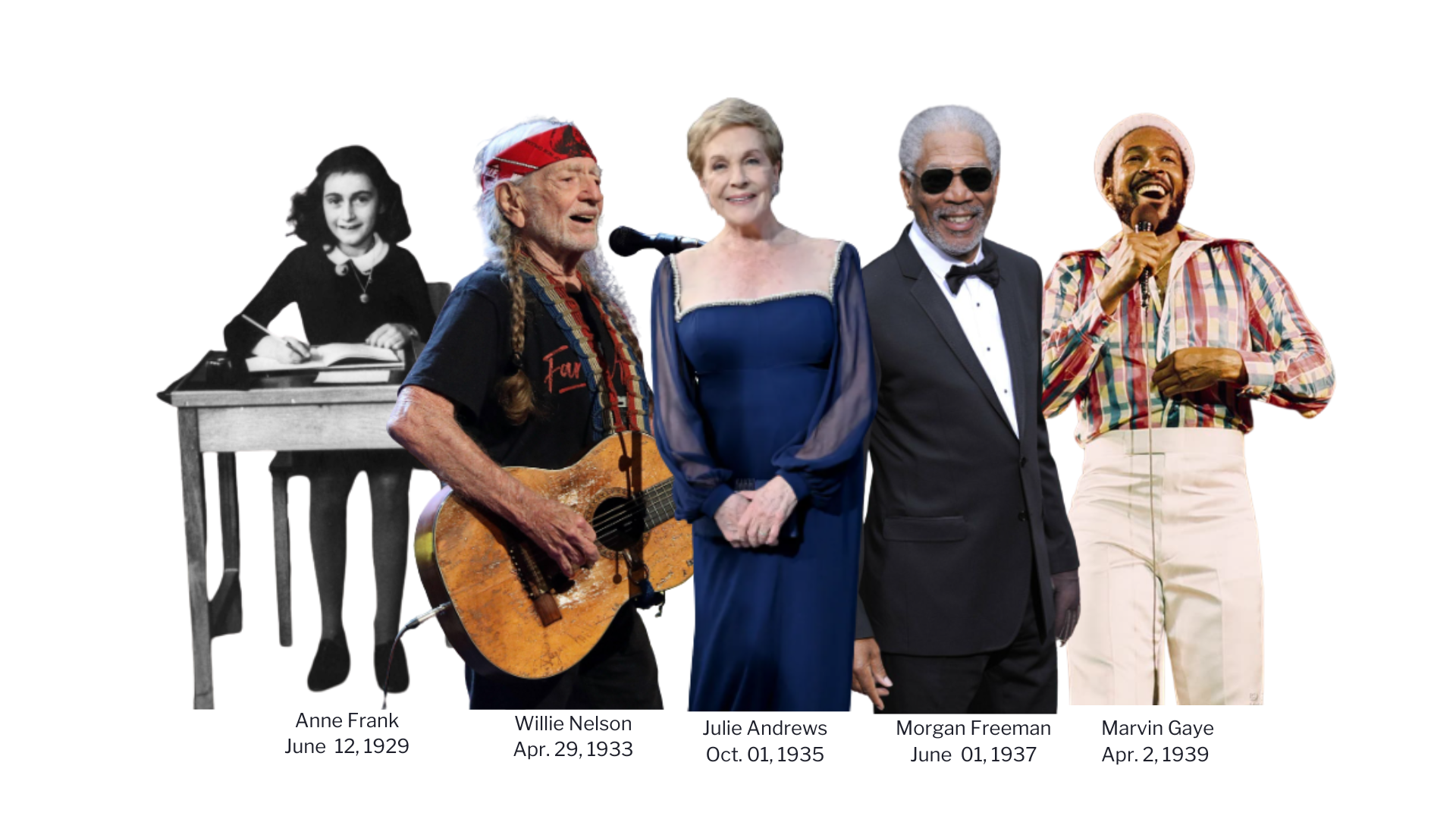
In an effort to understand the origins of senior living, we are ‘time traveling’ back a century, when the Silent Generation began. Born between 1925 and 1945, the Silent Generation are currently in their 80s and 90s. As of a 2025, they make up 15% of the population in the United States.
Understanding Generational Mindsets: The Silent Generation 1925-1945
Subtle, yet powerful, this generation’s adolescence was rooted in the throes of the Great Depression and World War II resulting in a characteristically cautious and stability-oriented mindset. As they later aged into their young adult years, the Silent Generation played a significant role in the Civil Rights Movement and 1960s counterculture.
Geriatric Healthcare Regulations and Influence
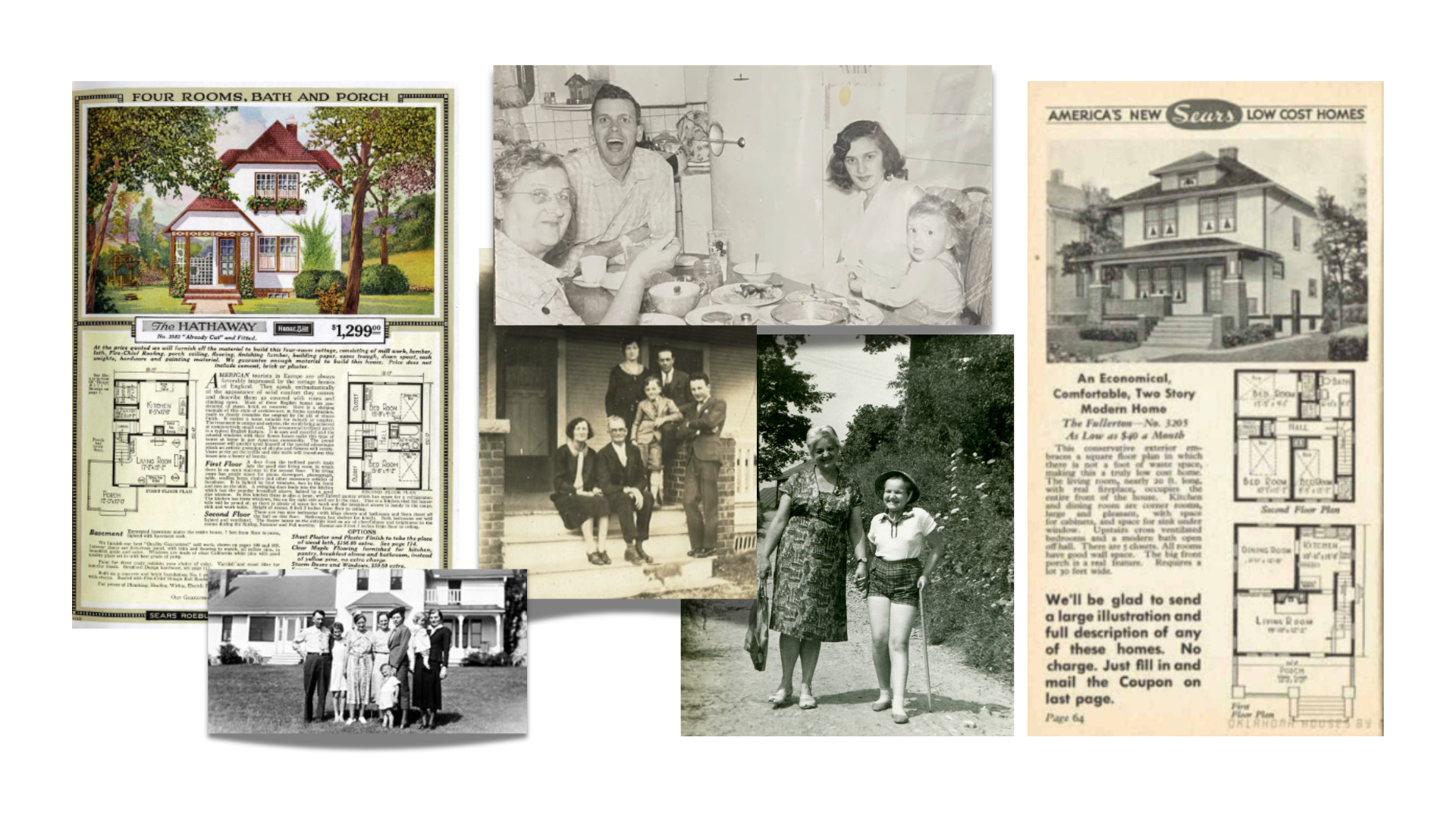
During the early 20th century, the life expectancy was less than 65 years old. Senior living primarily happened within the household as multigenerational families took care of their elders. Beyond this, early nursing homes were unregulated, until the Social Security Act of 1935 and the 1946 Hill Burton Act created funding for the first structured senior living environments expanding access to care in rural communities.
Keeping Design in Mind: Le Corbusier’s “A New Kind of Building”
In the early 20th century, a transformative approach to architecture began to take shape across Europe—one that prioritized functionality, flexibility, and access to natural light. In 1926, Le Corbusier introduced his Five Points of Architecture, a groundbreaking framework that redefined how buildings could be designed and experienced.
These principles aimed to create spaces that were not only efficient, but also adaptable and deeply connected to their environment:
Pilotis (Columns)
Elevating the structure to open up the ground level for circulation and shared spaceFree Plan
Allowing for flexible, non-restrictive interior layoutsFree Façade
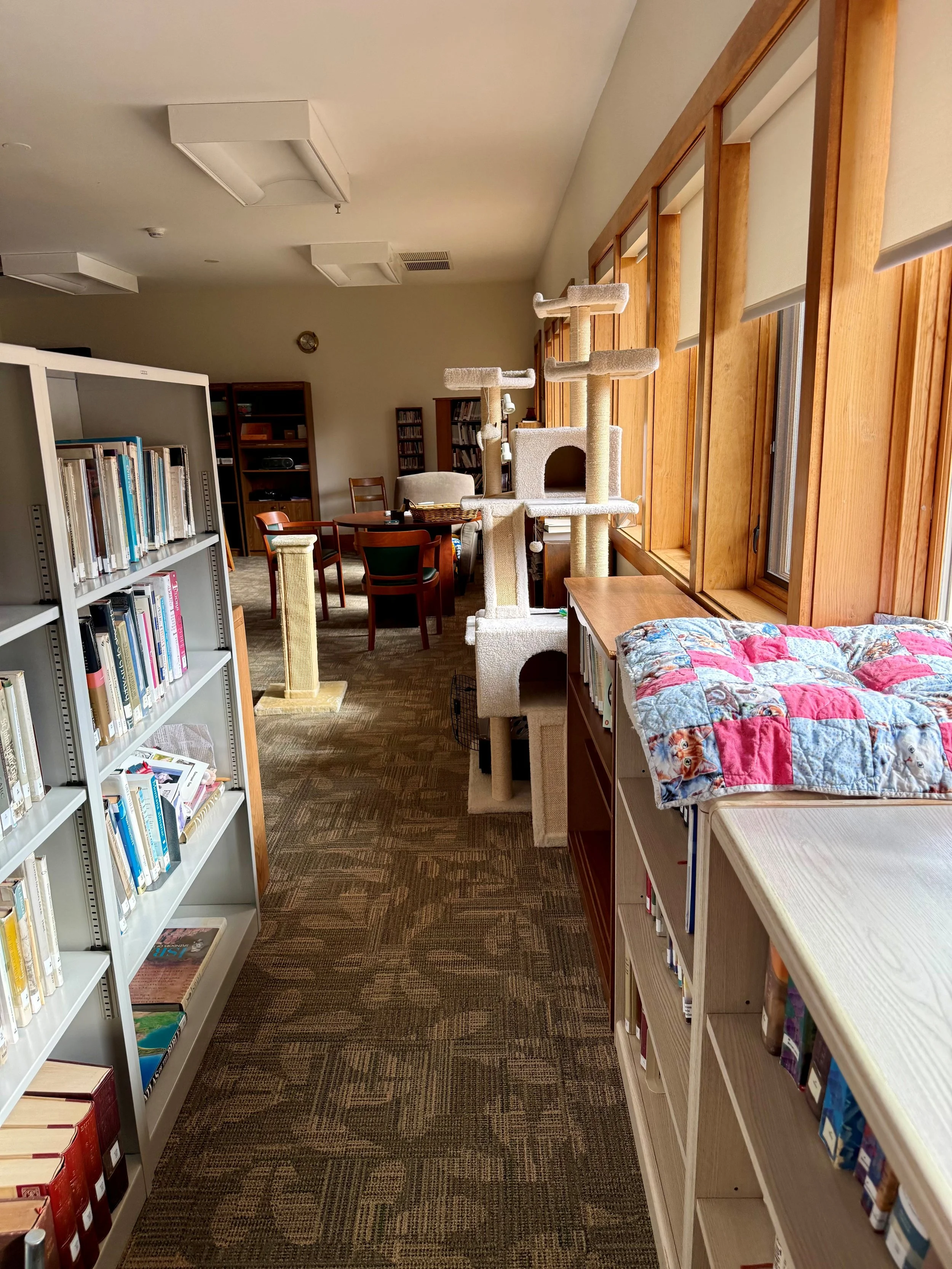
Designing the exterior independently from structural constraintsRibbon Windows
Stretching horizontally to maximize natural light and exterior viewsRoof Garden
Transforming flat roofs into functional green spaces
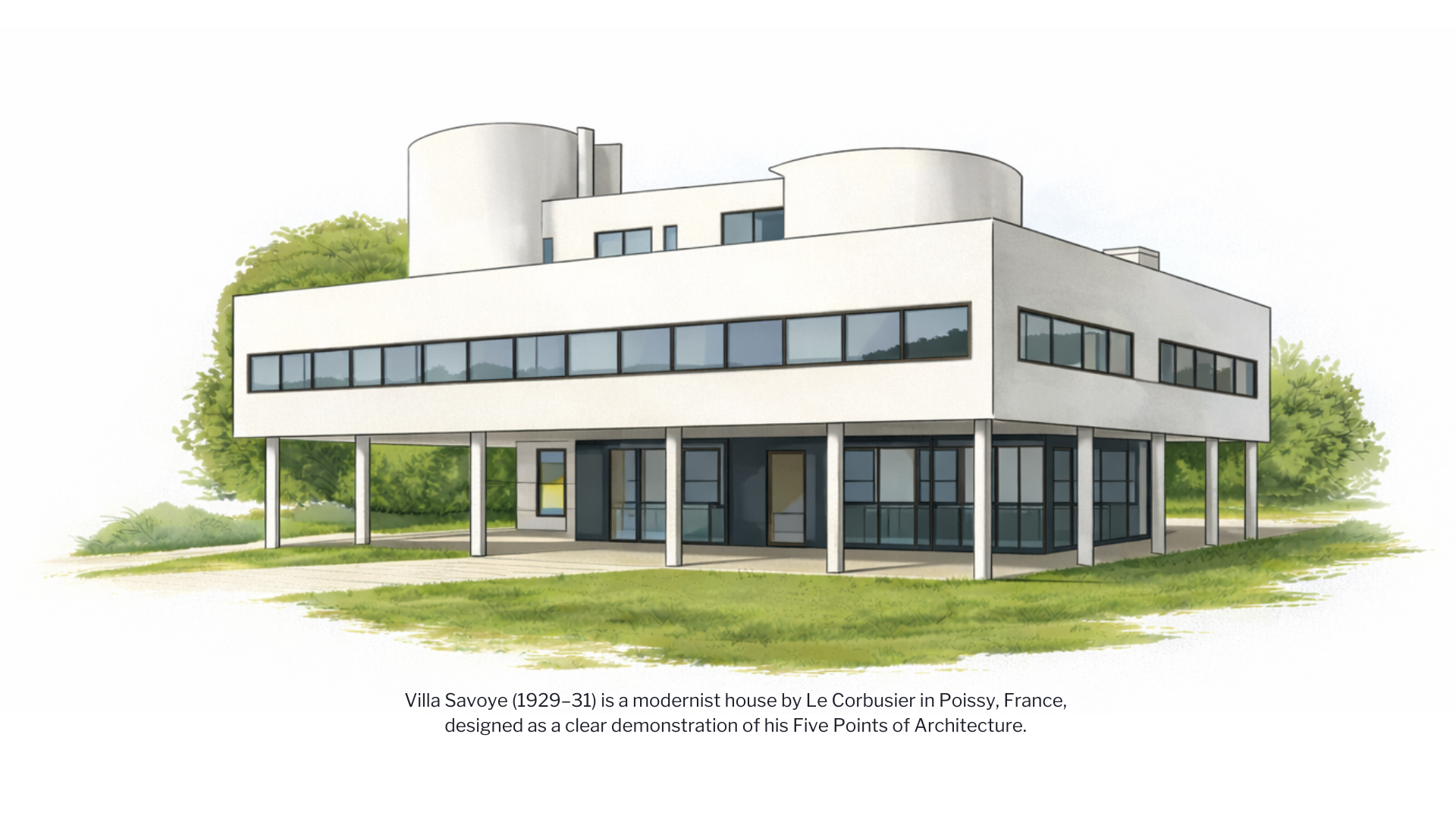
Applying Principles and Community in Design | Setting the Foundation
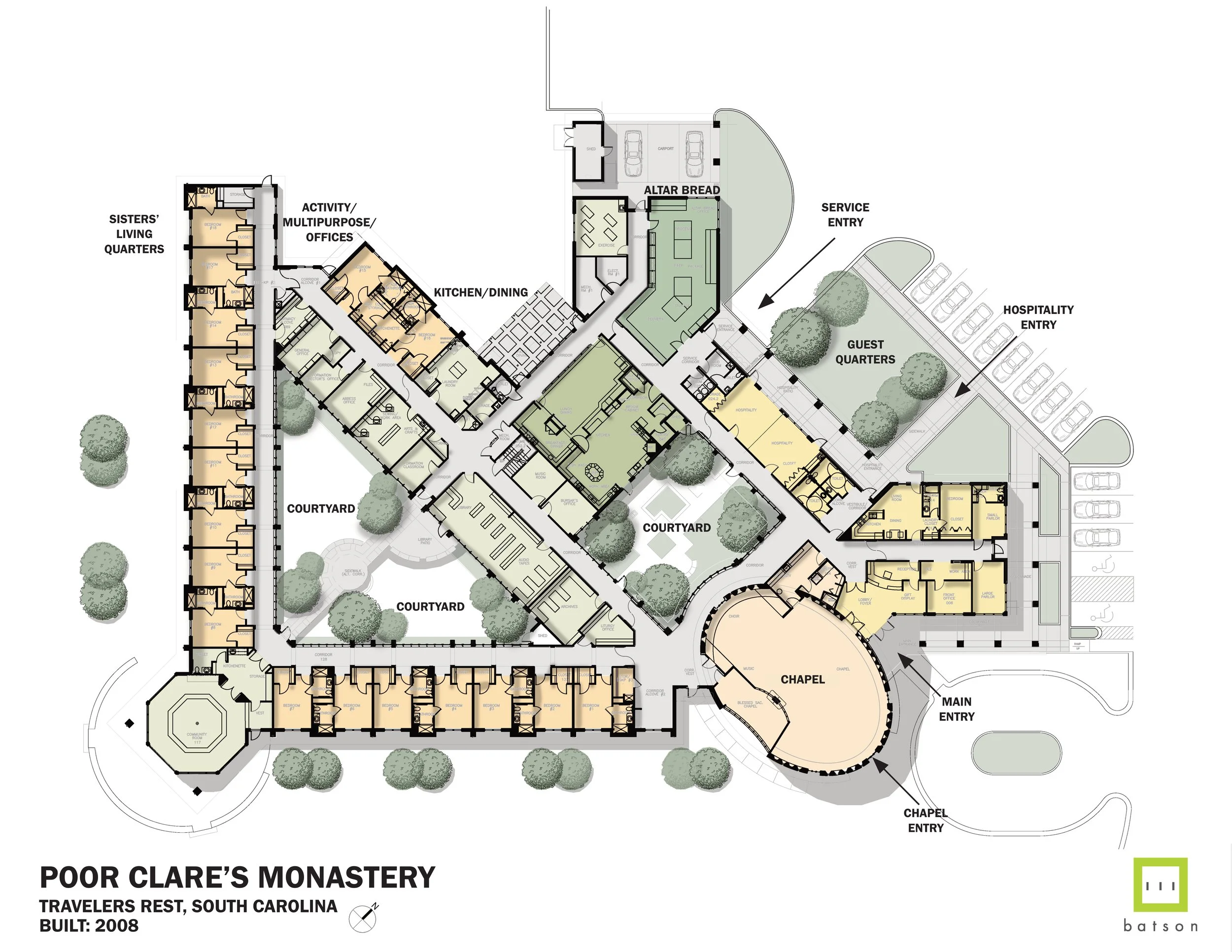
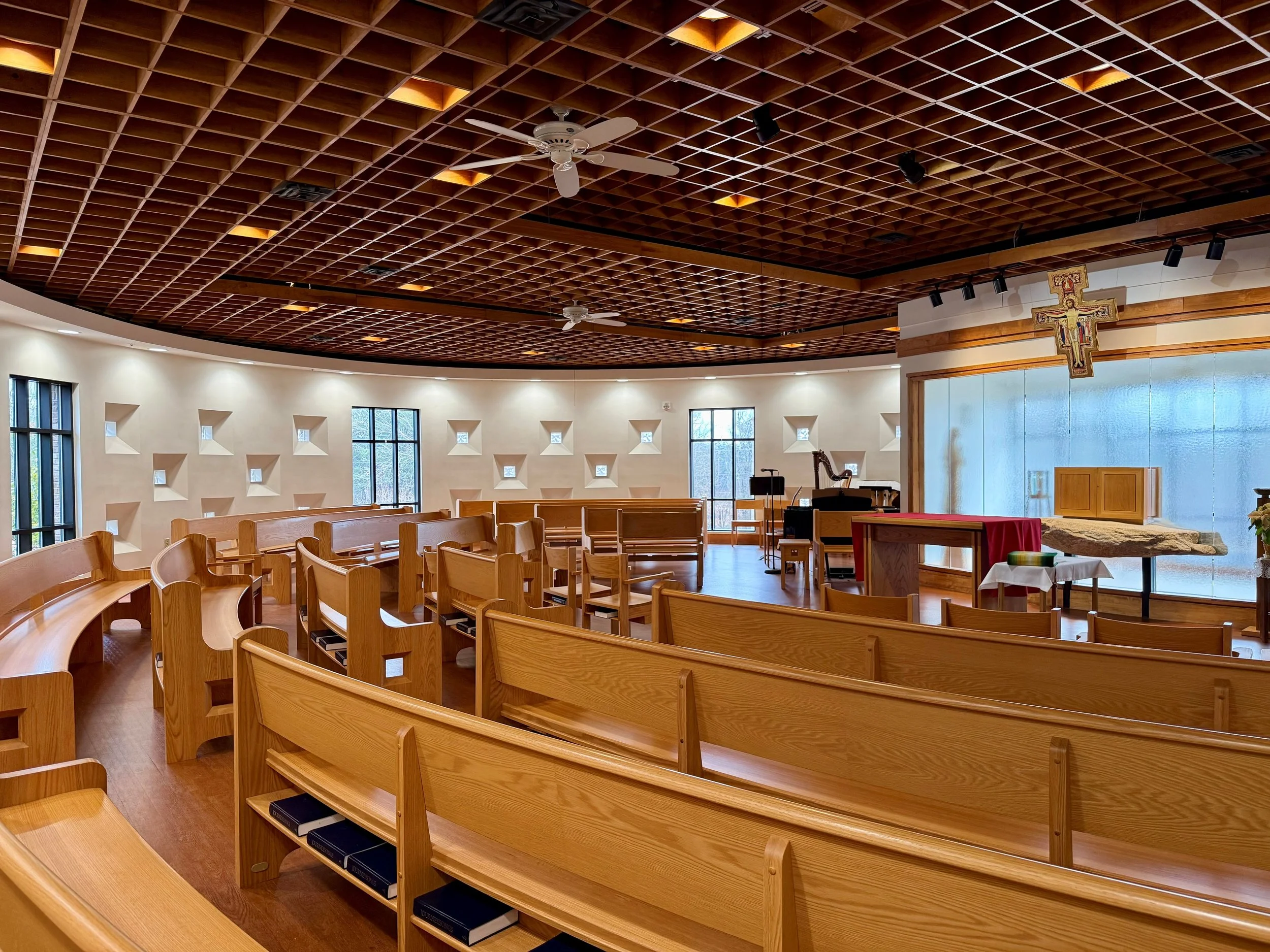
Similar to the Silent Generation, the residents of the Monastery of St. Clare’s are subtle yet powerful—grounded in humility, resilience, and a deep sense of purpose. At the Monastery of St. Clares, our design reflects this spirit through a thoughtful approach to aging in place, supporting the nuns’ desire to remain in a peaceful, spiritually grounded environment throughout every stage of life.
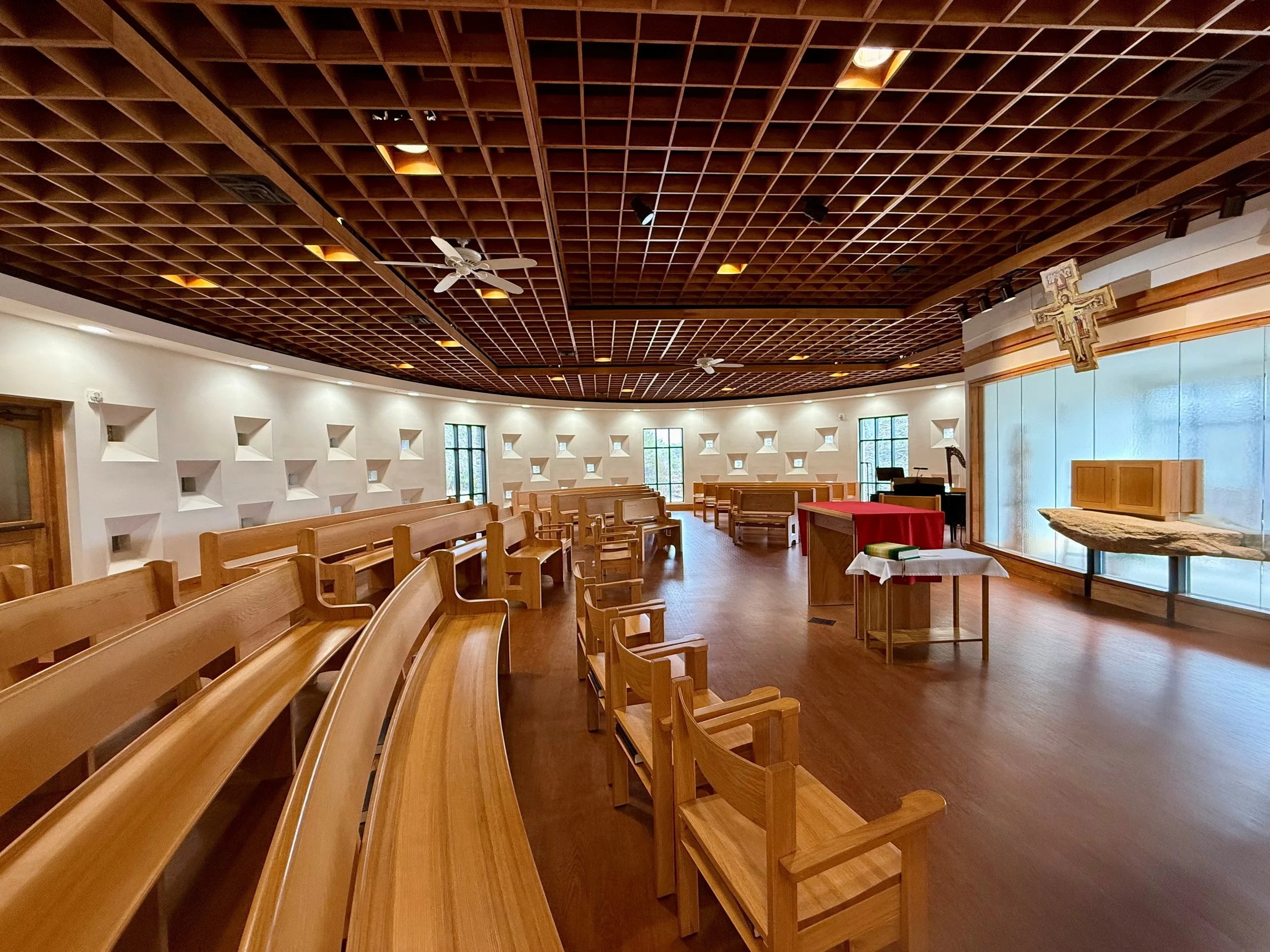
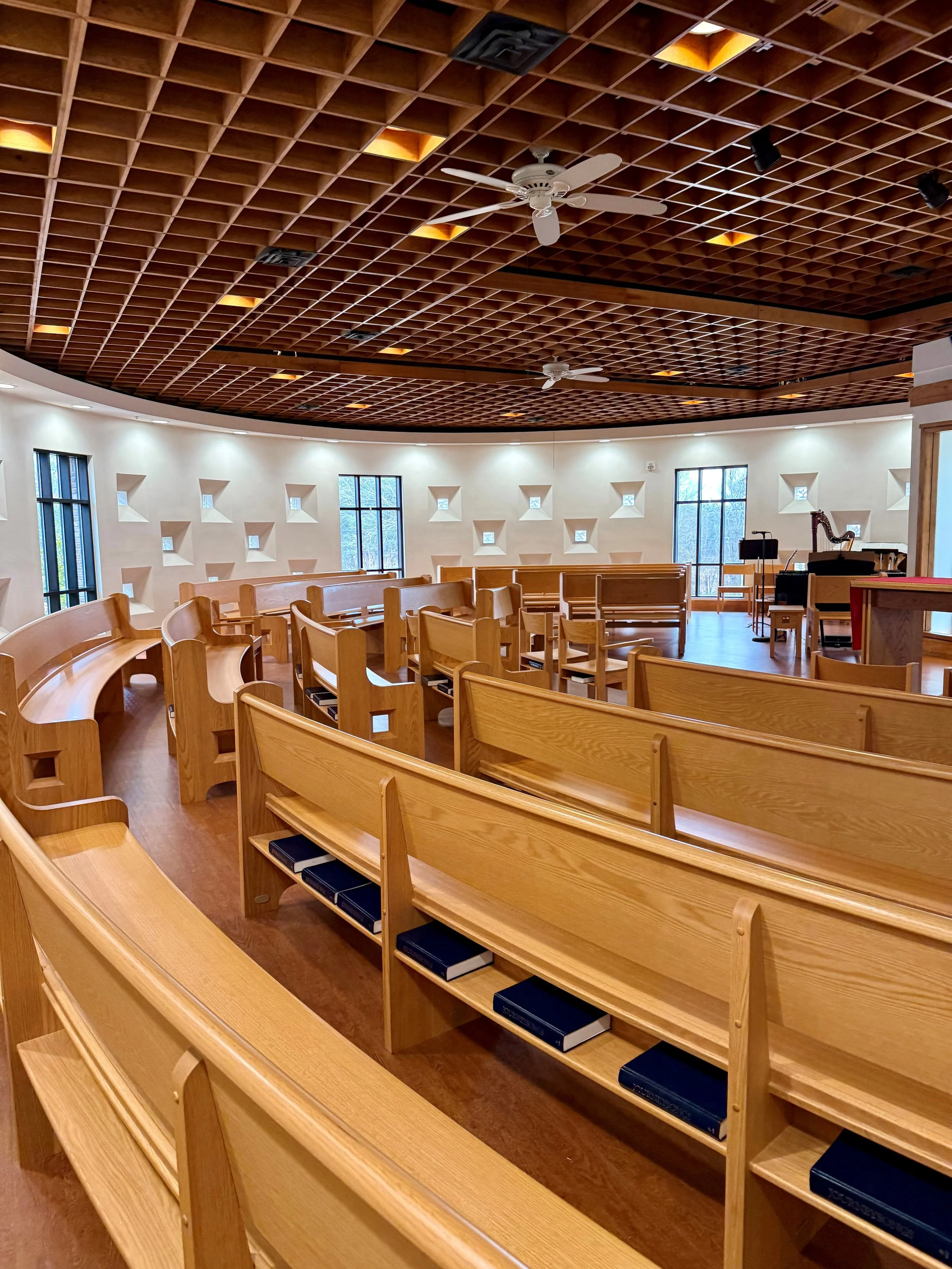
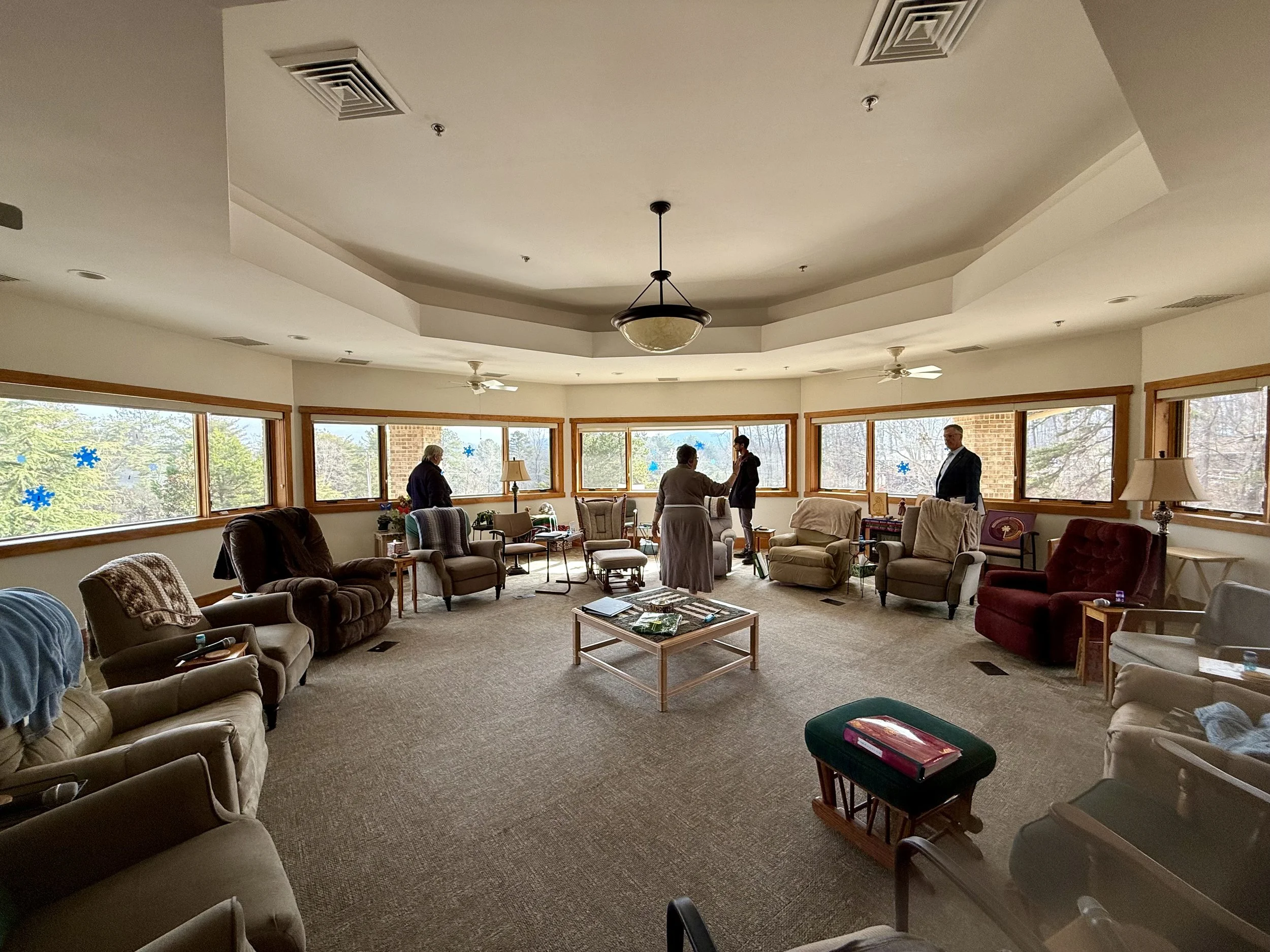
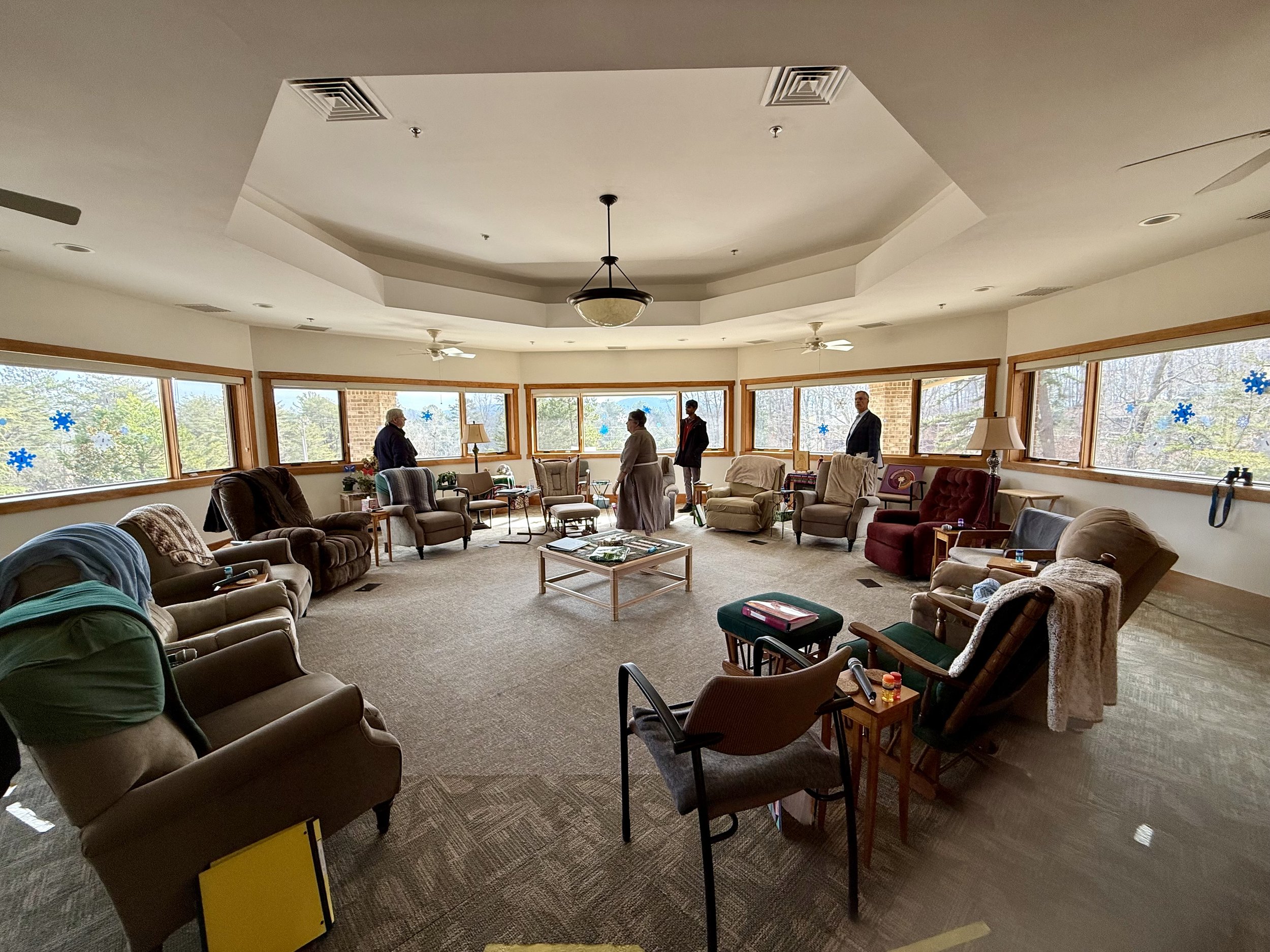
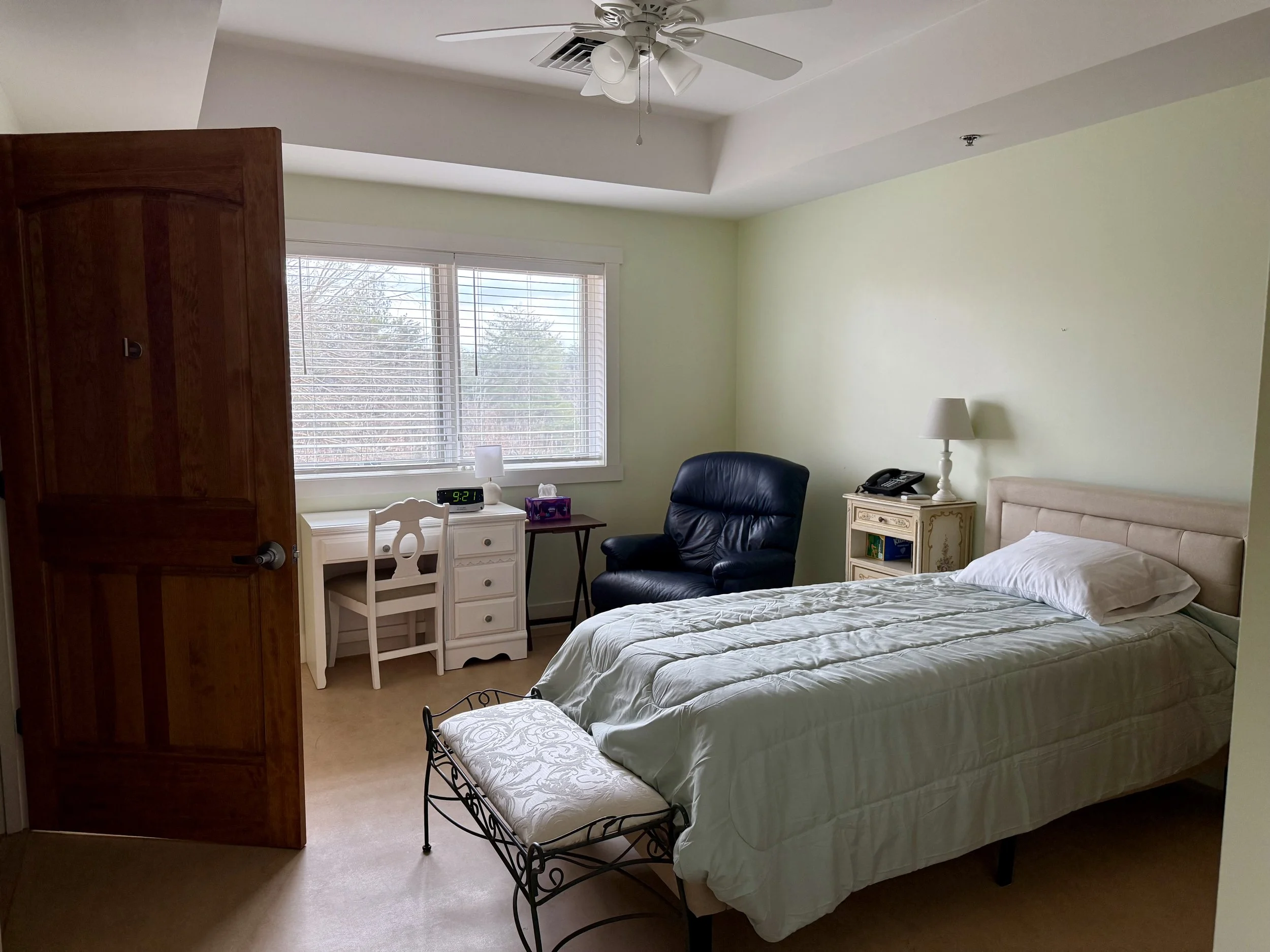
A centrally positioned, womb-shaped chapel serves as both the architectural and symbolic heart of the monastery—anchoring daily rhythms of worship, reflection, and community connection. Surrounding the chapel, private rooms are carefully designed to provide comfort, rest, and personal retreat, while adjacent collaborative spaces encourage communal work, fellowship, and shared reflection. This balance of solitude and connection is essential to creating a supportive senior living environment rooted in purpose and care.
A minimalist design approach reduces visual noise and fosters quiet contemplation, while expansive access to natural light and views strengthens the connection to the surrounding landscape. Integrated wellness-focused design elements support both physical and mental well-being, aligning with best practices in healthcare and senior living architecture.
Every detail is intentionally crafted for longevity, using sustainable materials and adaptable layouts that allow the monastery to evolve alongside its community. The result is a timeless, resilient space—one where simplicity, nature, and compassionate design come together to support a life of dignity, reflection, and belonging.
Established in 1981, Batson Associates is an architecture and interior design firm focused on Institutional project types that deliver environments for healing, wellness, education, and aging. The Greenville, SC based firm works with clients throughout the Southeast. Stay connected with Batson Associates for more associate highlights, project updates, and industry insights by following us on LinkedIn, Facebook, and Instagram. For more information about our work or to discuss how we can help with your next project, please contact us at Batson Associates. Let's build the future together.