Senior Living Design for the Next Generation · Embracing Community
Design Strategies for the New Generation of Senior Living
Chapter II: Embracing Community
Does culture influence design or does design influence culture?
In Part I of our four-part blog series, we explored how the Silent Generation laid the foundation for modern senior living. In Part II, we turn our focus to the Baby Boomer generation, examining the cultural and design influences that have shaped the industry.
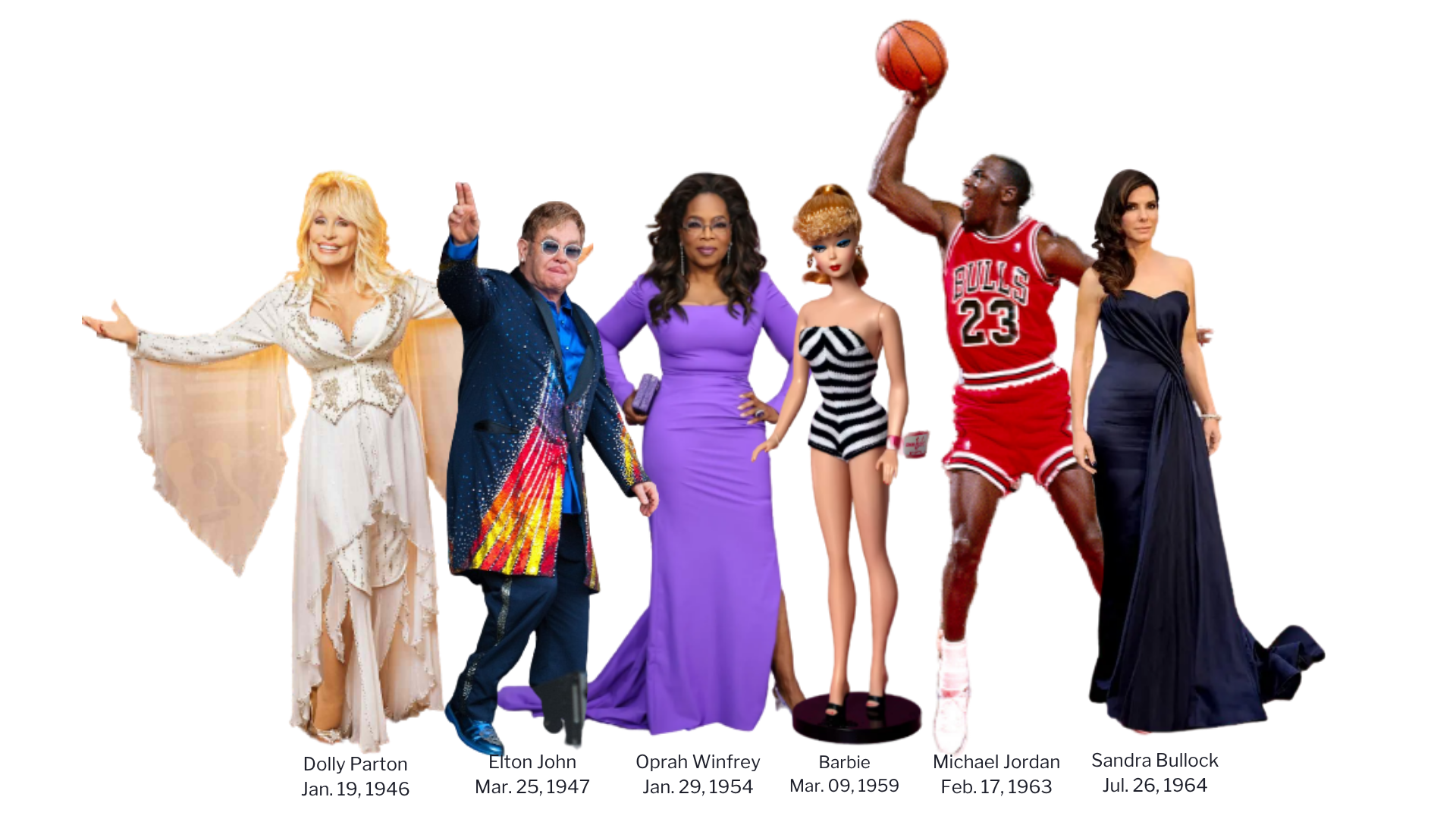
Understanding Generational Mindsets: Baby Boomers 1946 – 1965
Named for the surge in births following World War II, the Baby Boomer generation came of age during a period of profound social and political change, including the Civil Rights Movement and the Vietnam War. These formative experiences shaped a generation defined by a strong sense of duty, dedication, and purpose. Qualities that often carried into their professional lives.
As the first generation grew up with television, Baby Boomers experienced an expanded worldview that extended well beyond their immediate surroundings. This increased exposure to national and global events helped influence their perspectives and ambitions. They are also among the most educated generations in the United States, with 88.8% graduating from high school and 28.5% earning a bachelor’s degree or higher.
Impactful Healthcare Regulations of the Era
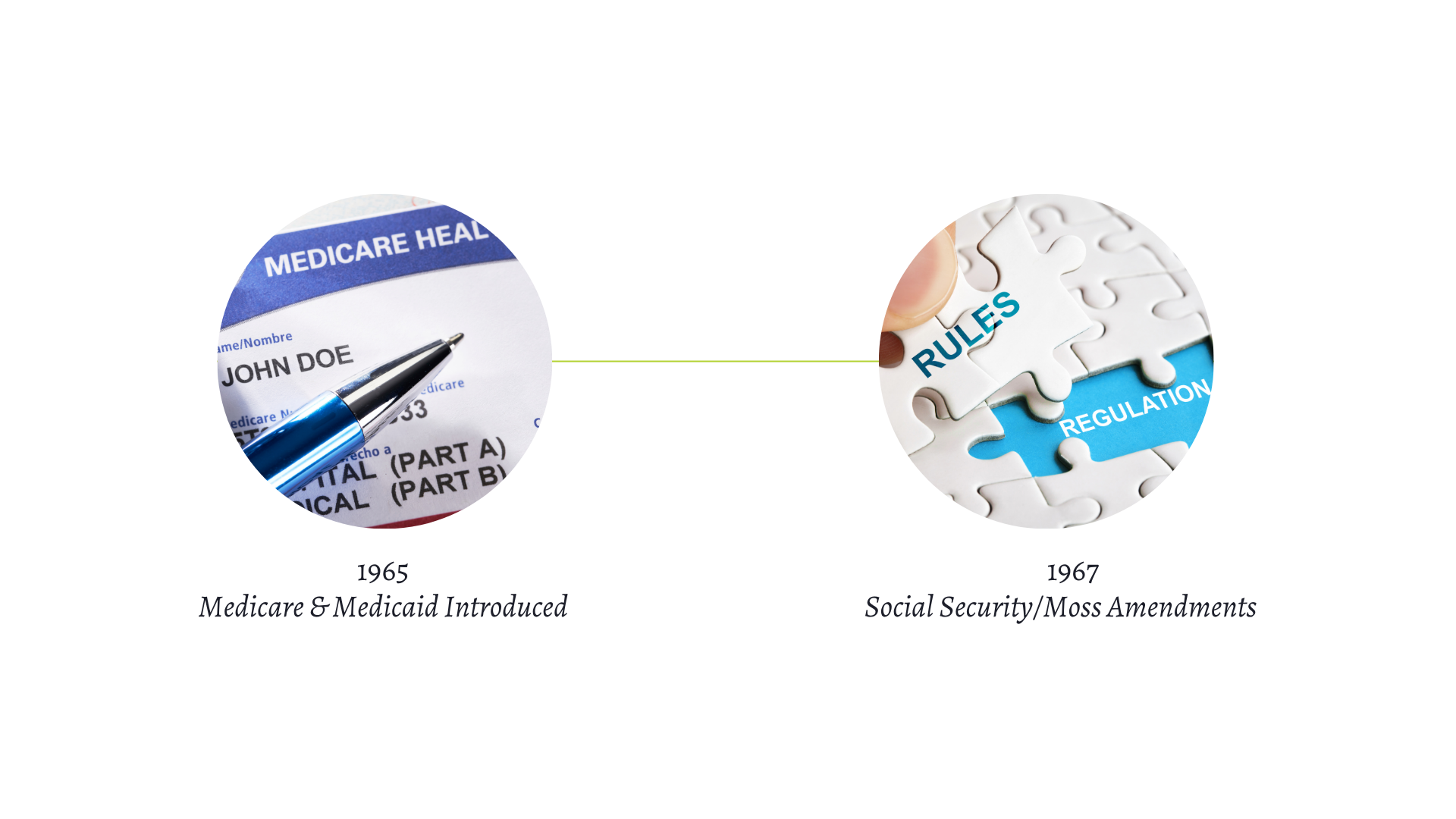
By 1965, the introduction of Medicare and Medicaid marked a pivotal shift in senior care, incentivizing private developers to construct traditional, institutional nursing homes through reimbursement models. While this era brought meaningful advancements in physical healthcare and access, the environments themselves often lacked consideration for social engagement, autonomy, and overall quality of life.
As the Silent Generation began exploring care options for their aging parents, the limitations of these institutional models became increasingly apparent. In response, the late 1960s through the 1980s saw the emergence of Continuing Care Retirement Communities (CCRCs), also known as Life Plan Communities, marking the beginning of a more integrated approach to senior living. The first CCRC, established in 1967 by a faith-based Quaker organization in California, set the foundation for a model that combined independent living with skilled nursing care. Early communities were largely rooted in faith-based initiatives, reflecting a mission-driven approach to care.
During this time, however, senior living remained largely traditional. As suburban expansion reshaped American life, many older adults continued to live at home with family, while nursing homes developed a stigmatized reputation due to their institutional nature and limited emphasis on personal dignity and lifestyle.
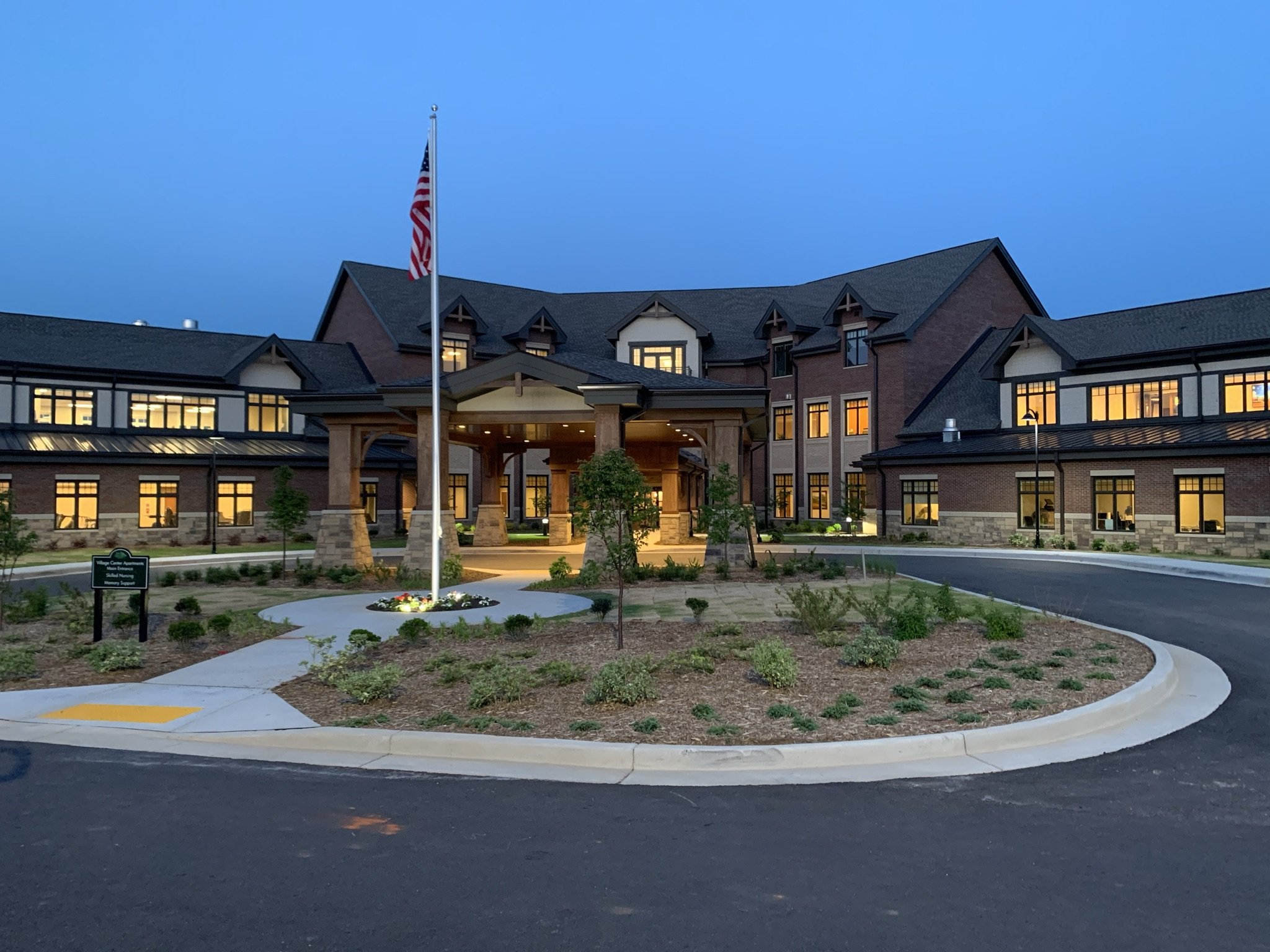
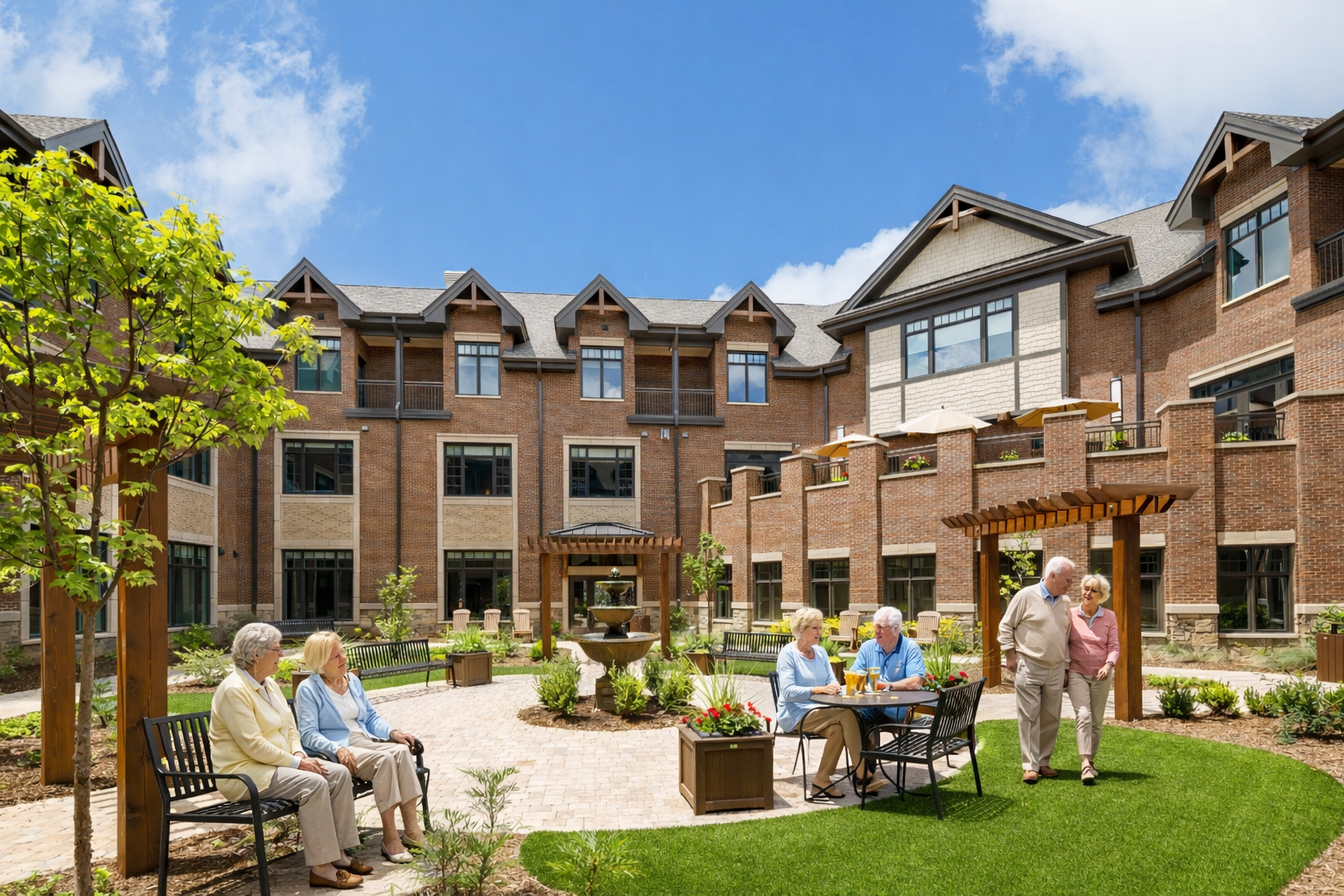
Faith based Life Planning Community, Presbyterian Village Athens
A significant evolution emerged with the introduction of the Oregon model, which reimagined care environments through a more residential, autonomy-focused lens. This shift led to the birth of Assisted Living, prioritizing independence, choice, and a homelike atmosphere. CCRCs quickly adopted and expanded upon this model, broadening their services to better meet the diverse and evolving needs of residents. As awareness of cognitive decline increased, Memory Care was introduced as a specialized offering, further strengthening the continuum of care.
This period ultimately marked the convergence of home and healthcare. Transforming senior living into a more holistic, continuum-based model. The Silent Generation, who were often the primary decision-makers for their parents during this time, valued structure, routine, and privacy, yet sought more dignified and flexible options than those previously available. Their expectations helped drive the transition from rigid, institutional settings toward environments that better balanced care, independence, and quality of life.
Application Today: Synthesizing Care and Community
Too often, physical care and rehabilitation are tucked away in private, discreet settings. Yet, there is profound value in integrating wellness support into the fabric of everyday community life.
The power of place has proven to be a meaningful motivator in the health journey of Tommy Antonick, a patron of Prisma Health’s Roger C. Peace Adaptive Sports and Wellness Center. Located within Greenville’s Unity Park, the center is seamlessly woven into one of the city’s most vibrant public spaces.
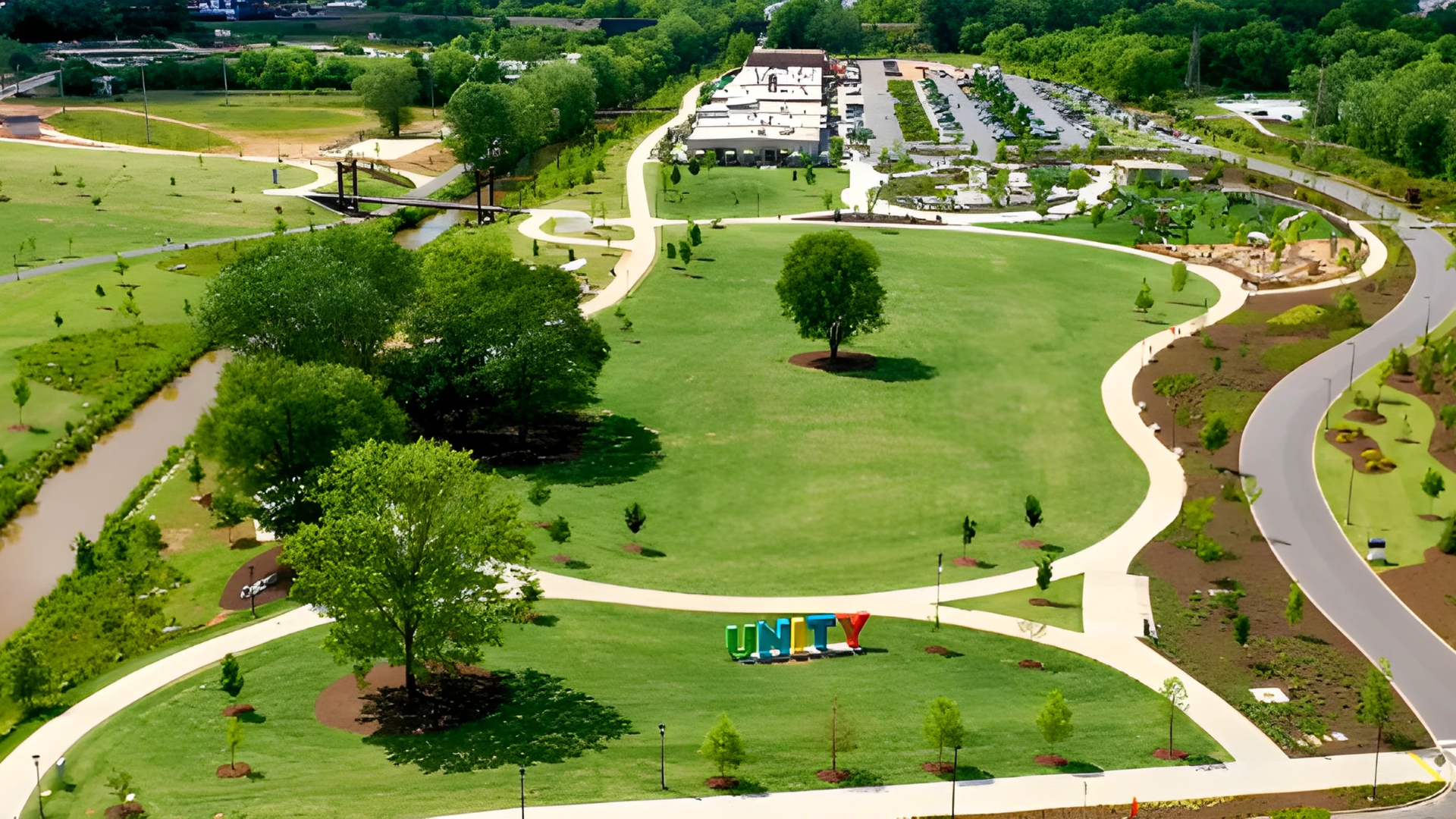
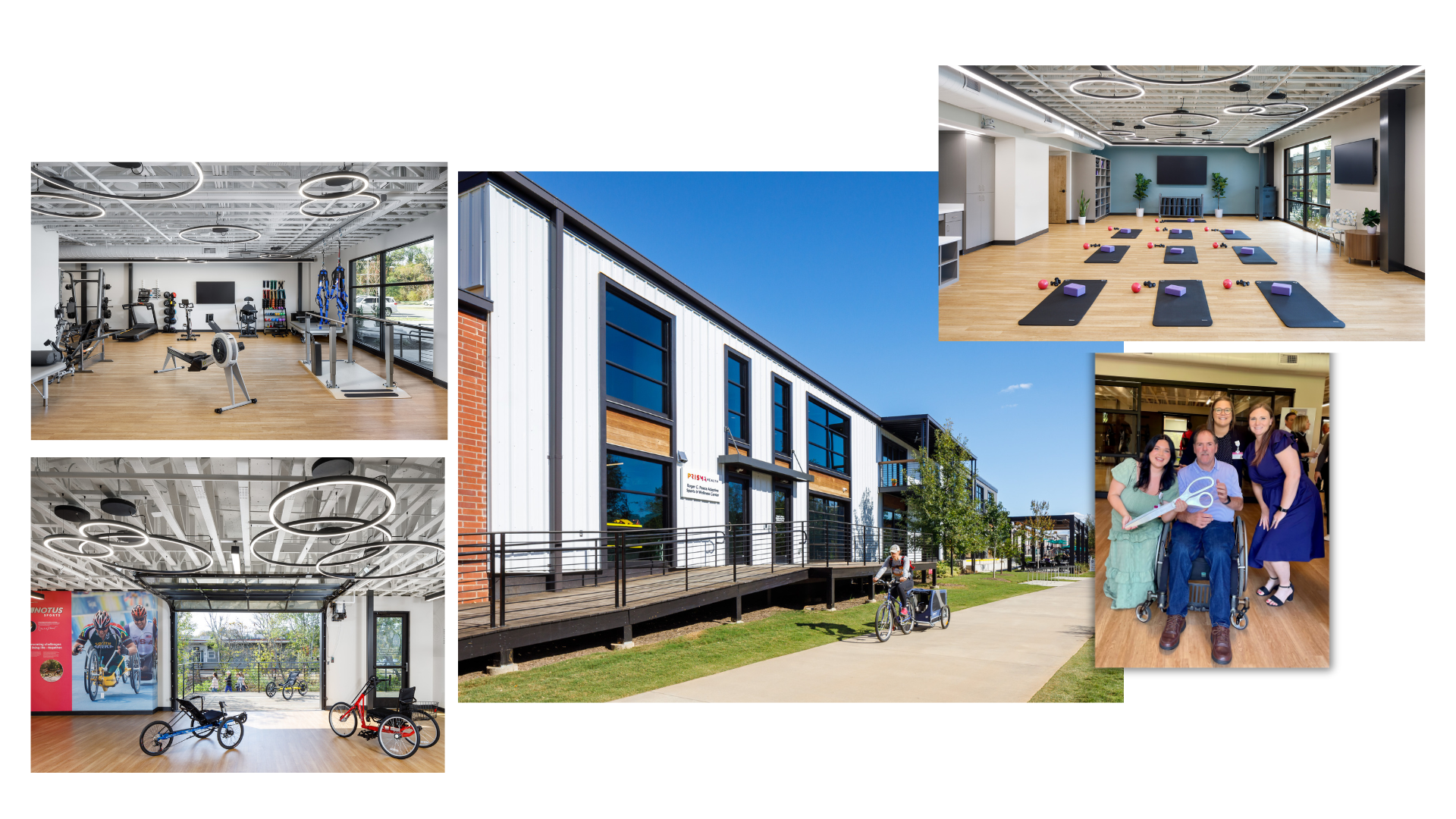
As patrons make their way through the multi-use development, they pass open fields filled with picnics and pick-up games, a lively playground, and the ever-active Swamp Rabbit Trail. Positioned adjacent to The Commons, a beloved, food hall-style gathering place, the center is not isolated but fully immersed in the rhythms of the community.
For Antonick, simply moving through these spaces on the way to therapy has become a source of encouragement.
“You’re part of the people moving,” he shares.
Tommy and his wife, Susan, value how the facility opens directly to the Swamp Rabbit Trail, fostering a sense of connection rather than separation. Surrounded by everyday activity, they feel inspired to reengage with the experiences they once enjoyed, and often look forward to sharing a meal at The Commons following each session.
Established in 1981, Batson Associates is an architecture and interior design firm focused on Institutional project types that deliver environments for healing, wellness, education, and aging. The Greenville, SC based firm works with clients throughout the Southeast. Stay connected with Batson Associates for more associate highlights, project updates, and industry insights by following us on LinkedIn, Facebook, and Instagram. For more information about our work or to discuss how we can help with your next project, please contact us at Batson Associates. Let's build the future together.