Senior Living Design for the Next Generation · Predicting the Future
Design Strategies for the New Generation of Senior Living
Chapter IV: Predicting the Future
Does culture influence design or does design influence culture?
In the final installment of our four-part blog series, we are utilizing the information we gathered throughout our exploration of how generations have impacted the growth and development of senior living communities. As we continue our research for Part IV, we will predict the future trends of senior living through the common threads and patterns we’ve identified.

Understanding Generational Mindsets: Millennials 1981 - 1996
Currently aged 30–43, Millennials came of age alongside rapid technological advancement, most notably the rise of social media. Growing up in an increasingly connected world, they tend to prioritize work-life balance and demonstrate a greater willingness to change jobs in pursuit of better opportunities. This generation has also trended toward marrying later in life, with divorce rates lower than those of preceding generations.
Entering the workforce during the Great Recession, many Millennials experienced financial instability and lingering economic anxiety. As a result, they have shown a stronger inclination toward renting rather than homeownership, valuing flexibility and affordability.
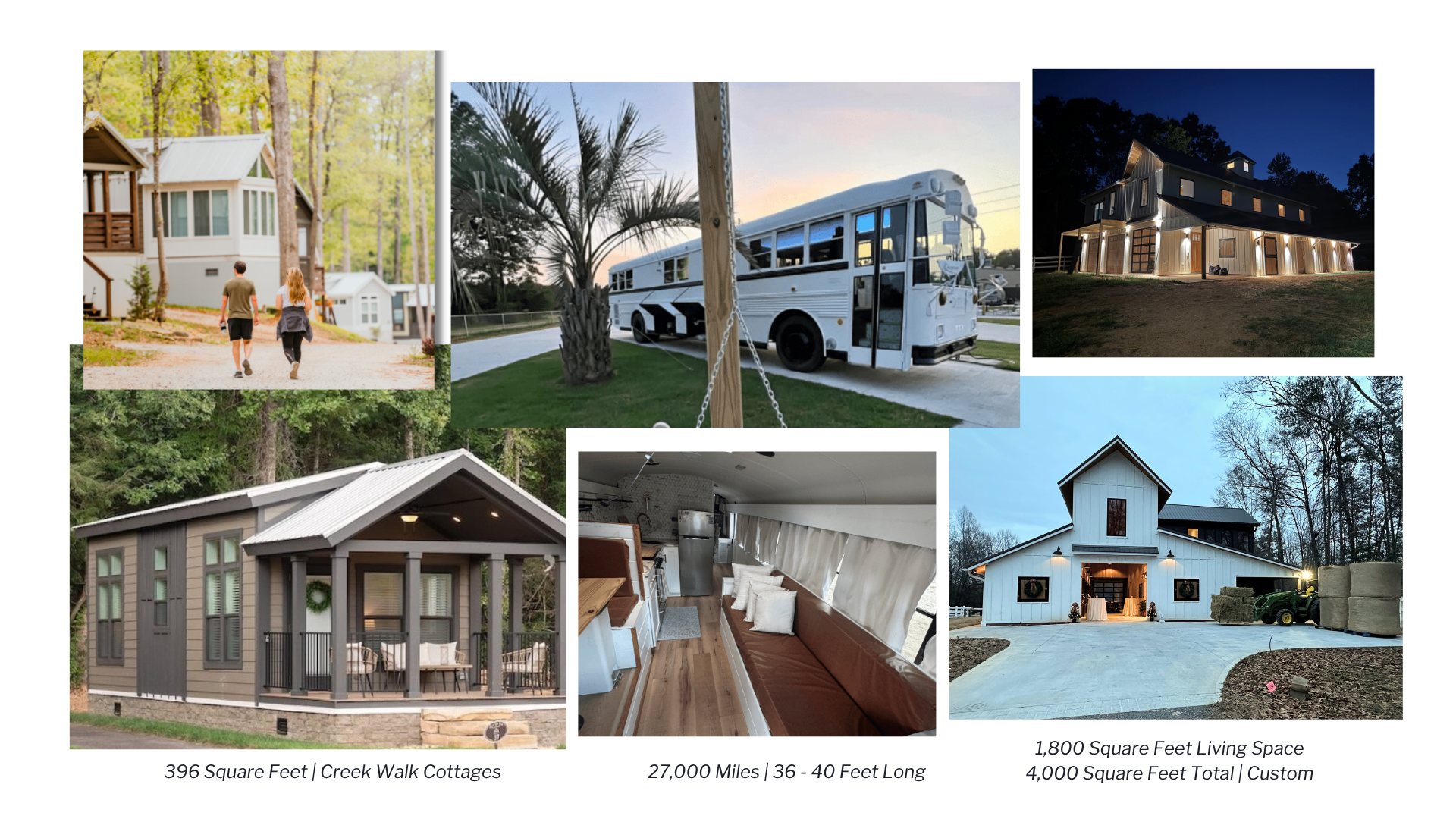
This preference has also influenced broader lifestyle choices. Millennials have helped pioneer and revive alternative living trends such as tiny homes, skoolies, van life, and barndominiums, all of which reflect a desire for adaptable, cost-conscious living.
Post Recession Senior Living Growth
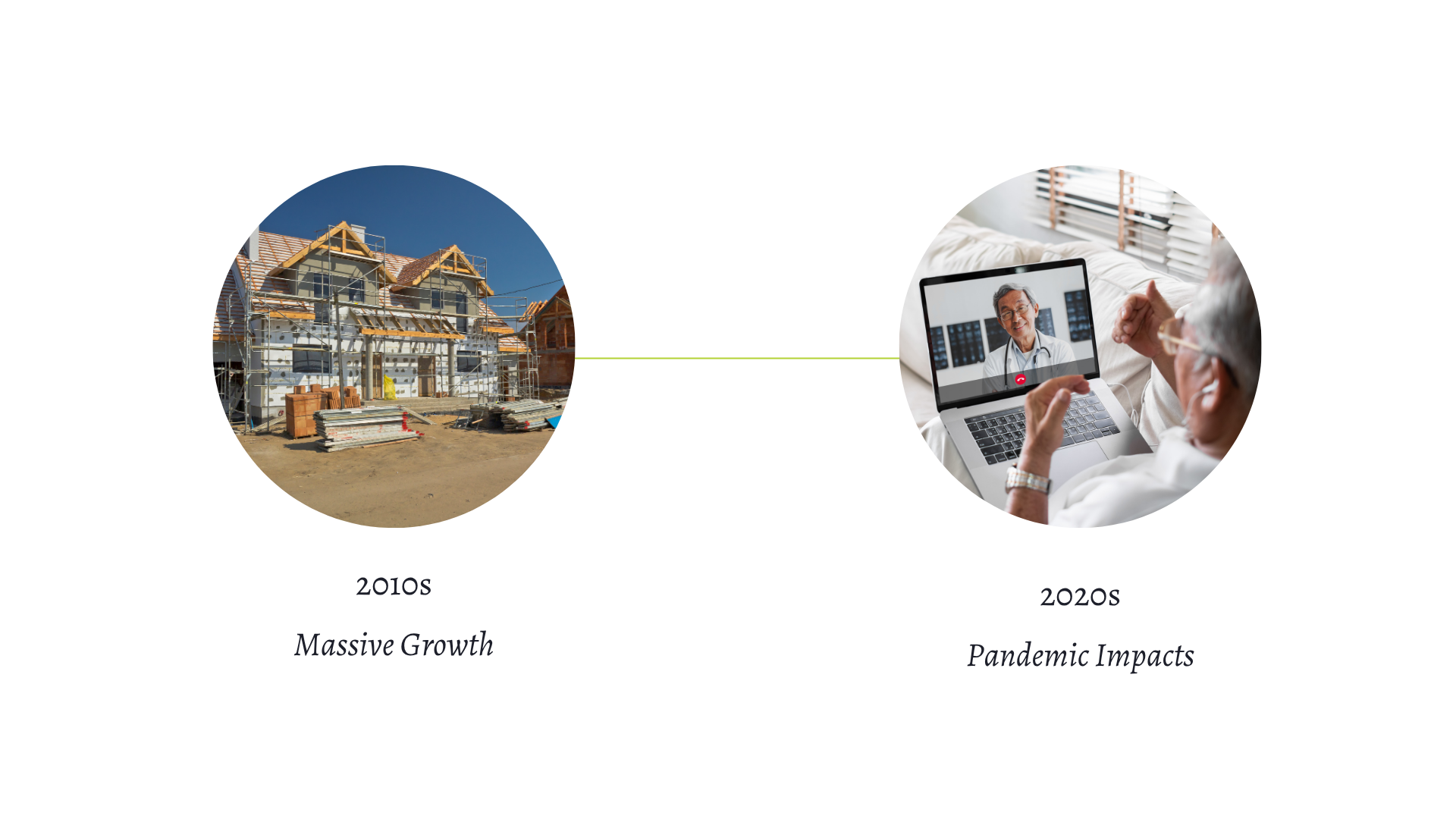
In the years following the Great Recession, the senior living market experienced significant expansion. As Baby Boomers (parents of Generation X and Millennials) began to explore care options, expectations for senior living environments evolved.
This shift brought a heightened demand for quality, design, and experience, leading to the rise of Active Adult communities. Unlike traditional senior living models, these communities emphasize lifestyle, wellness, and amenities over clinical services.
At the same time, the average age of entry into senior living increased, as older adults expressed a strong preference for maintaining independence longer. This trend continues to shape the development of more flexible, resident-driven living environments.
Pandemic Protocols
Just as senior living began to fully embrace an active, lifestyle-driven model, the 2020 pandemic significantly reshaped the industry redirecting focus toward more semi-institutional models of care.
As residents were confined within their communities and medical offices implemented strict visitation protocols, telehealth quickly emerged as a primary method for care delivery and wellness support.
In response to these challenges and lessons learned, increased emphasis on infection control, indoor air quality, cleanability, and design flexibility has since become a new standard across senior living environments.
How to Apply in the Future
From the Silent Generation through Millennials, several consistent themes emerge, highlighting what people need to truly thrive in their living environments.
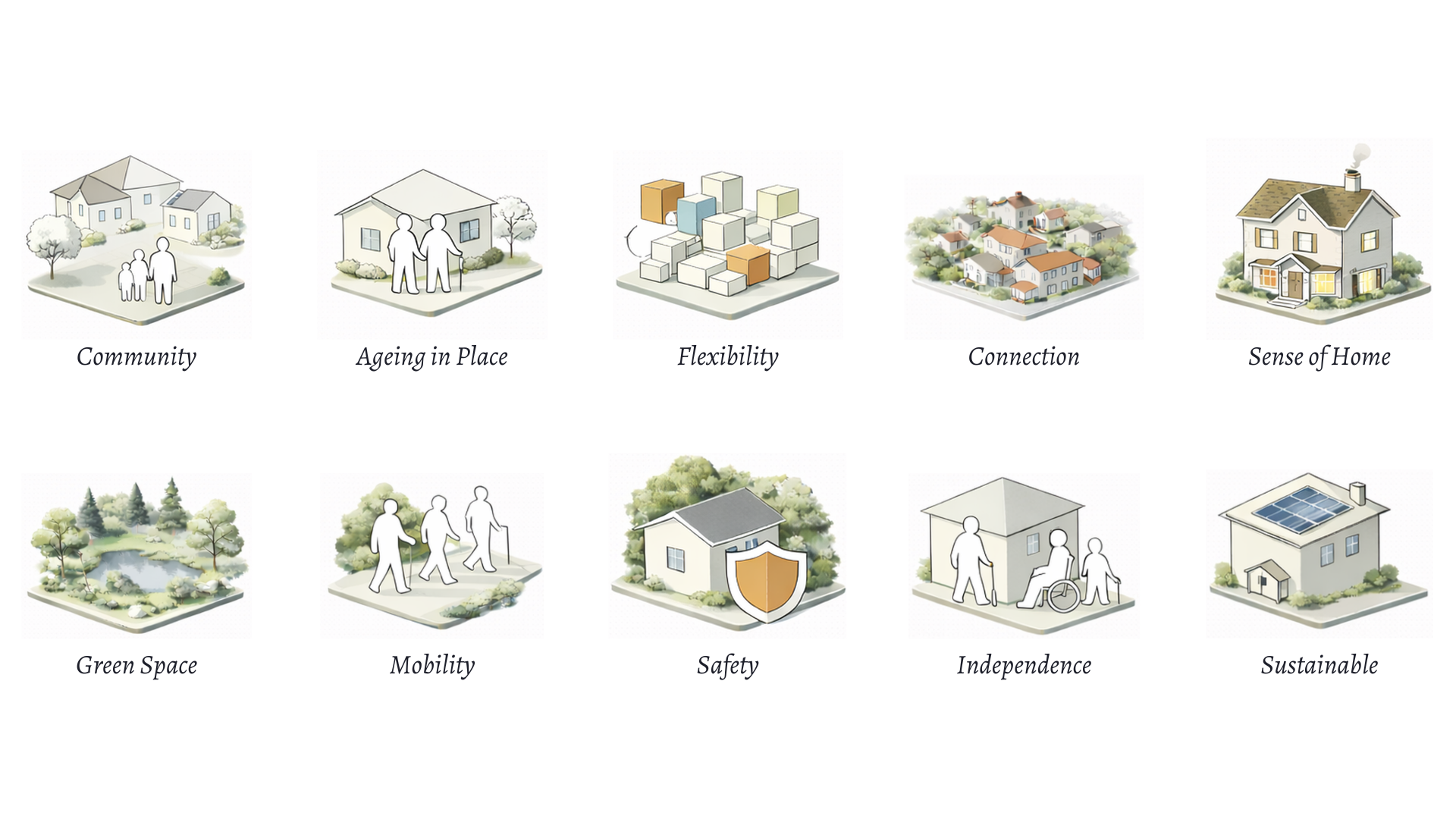
When these elements are thoughtfully integrated into new models, what does this mean for the future of community design?
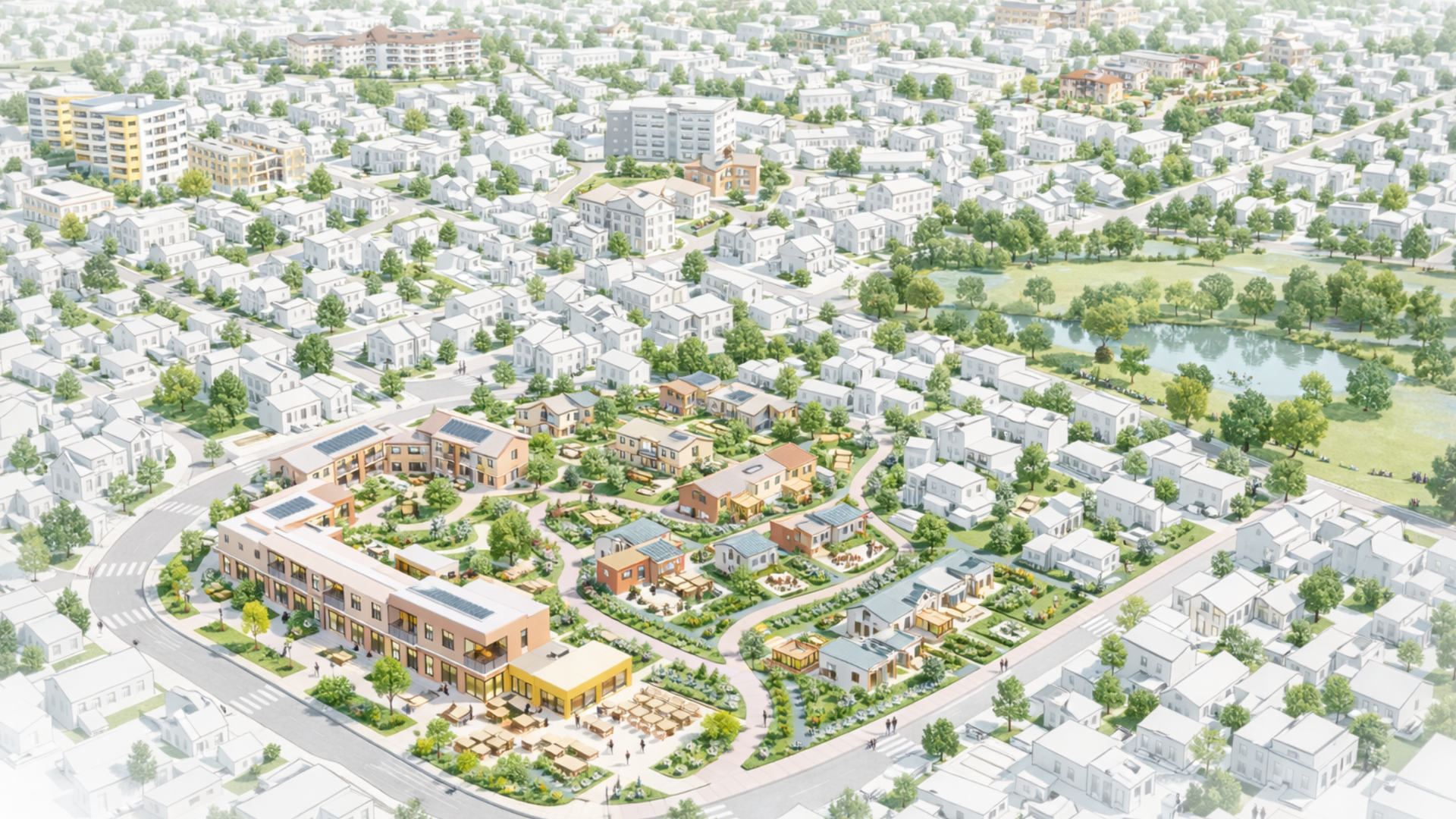
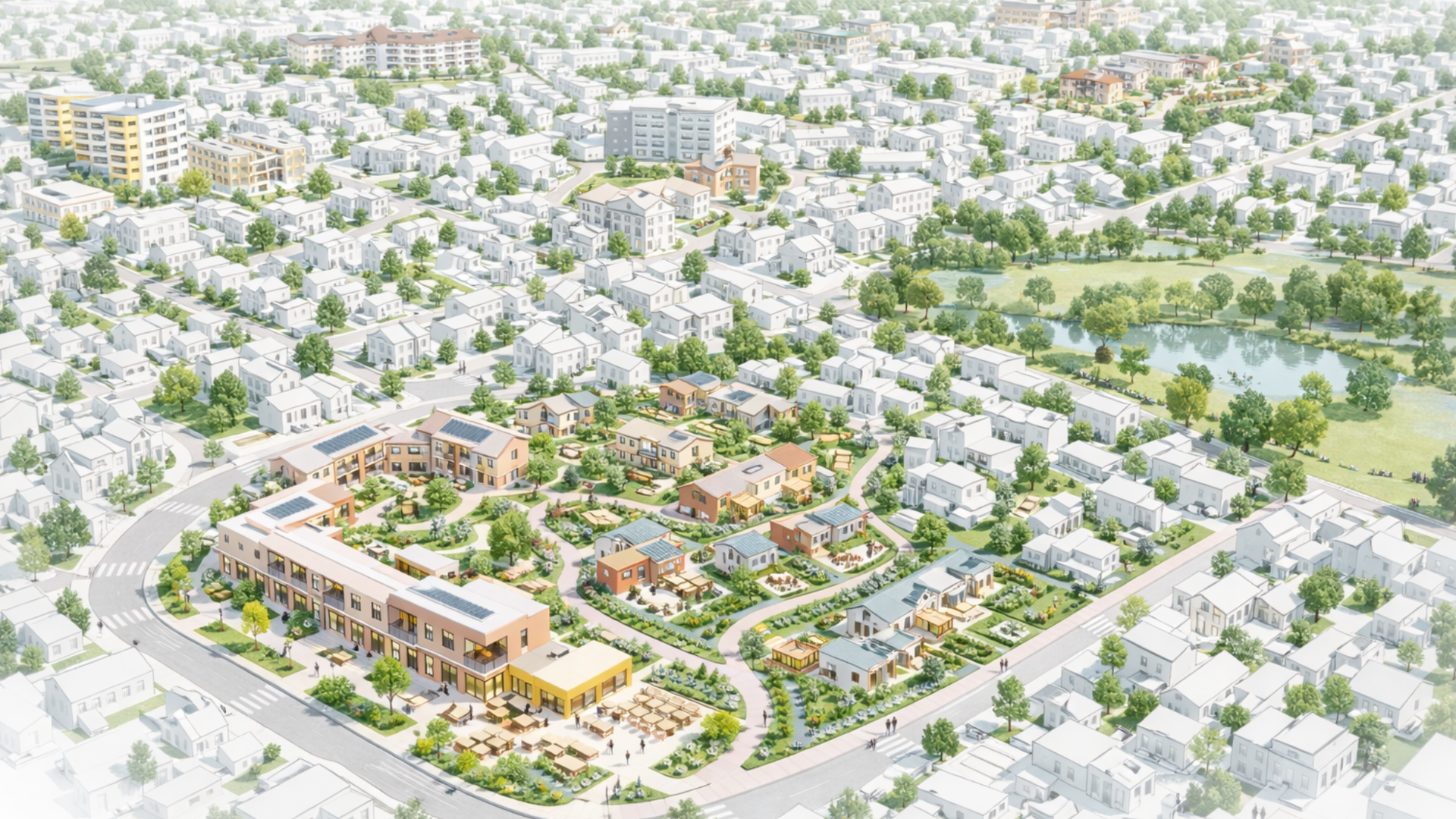
Our team of architects and designers believes the next generation of communities will prioritize integration over compartmentalization. Where traditional city planning has separated residential, commercial, and educational zones, future models will begin to seamlessly connect these environments.
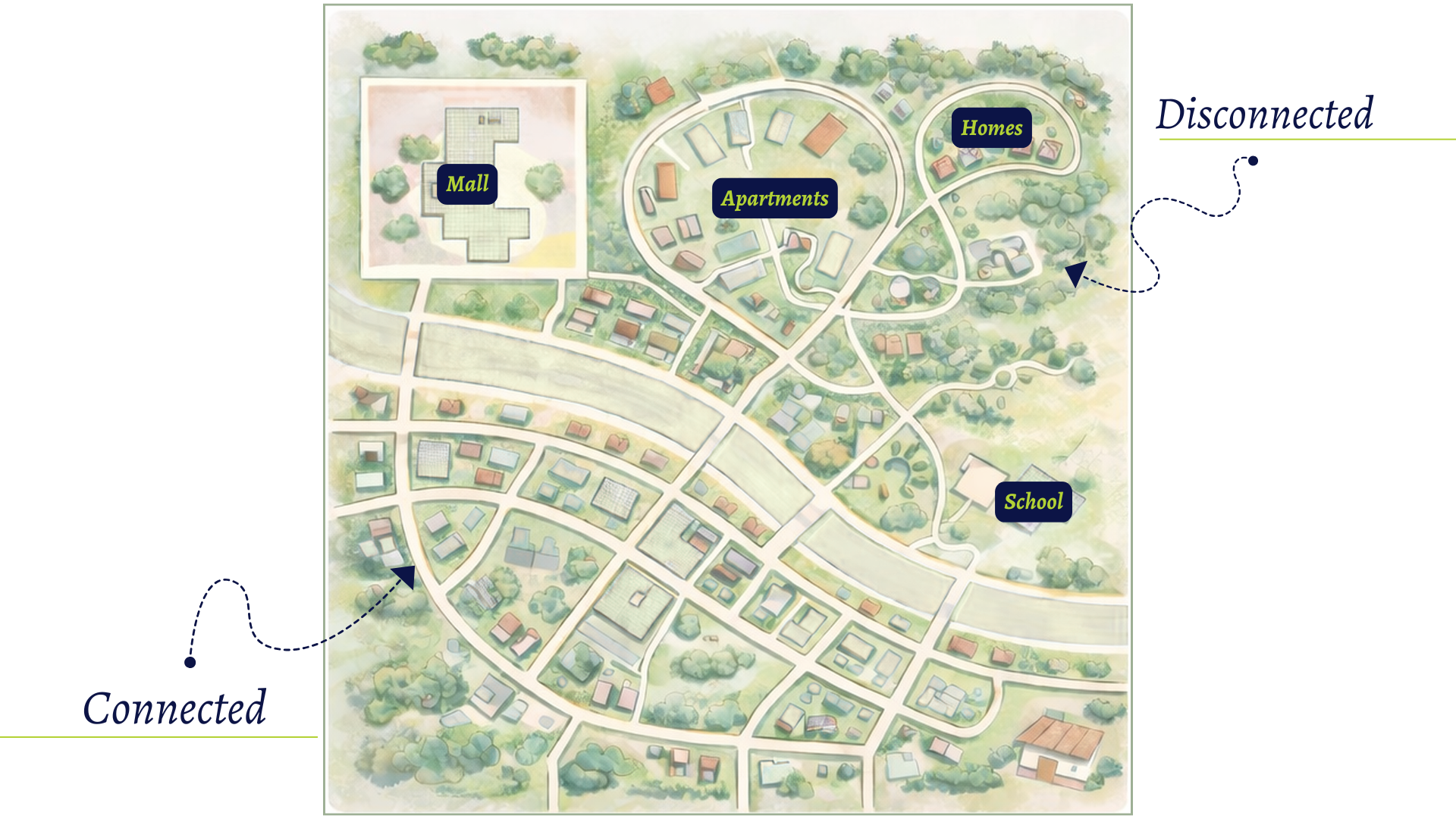
This approach fosters greater autonomy, mobility, and social connection—bringing daily necessities closer to home while creating opportunities for meaningful interaction, camaraderie, and a more holistic living experience.
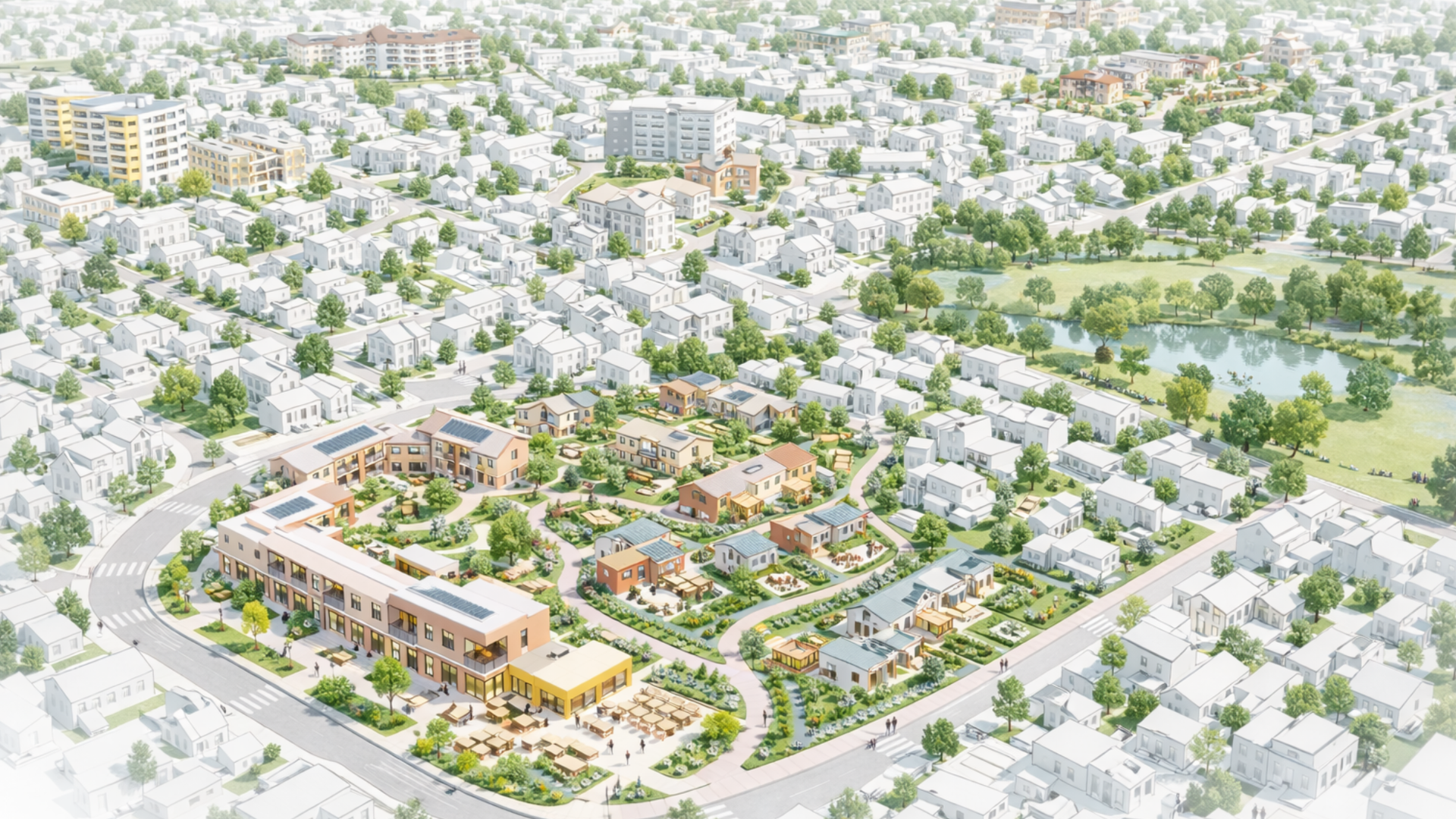
By integrating seniors within the broader community, intergenerational relationships can naturally form. Restaurants, retail, and essential services become more accessible, encouraging organic, day-to-day socialization.
As Tommy Antonick shared previously, “You’re part of the people moving.” And that movement is just getting started.
Established in 1981, Batson Associates is an architecture and interior design firm focused on Institutional project types that deliver environments for healing, wellness, education, and aging. The Greenville, SC based firm works with clients throughout the Southeast. Stay connected with Batson Associates for more associate highlights, project updates, and industry insights by following us on LinkedIn, Facebook, and Instagram. For more information about our work or to discuss how we can help with your next project, please contact us at Batson Associates. Let's build the future together.